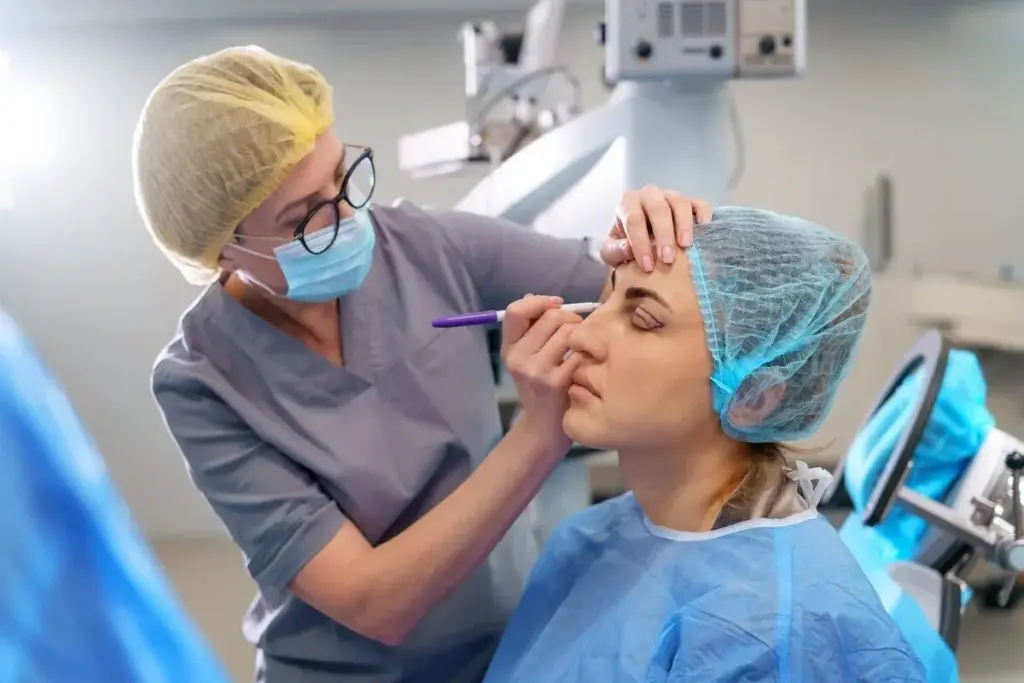
Plastic Surgery Clinic Visit: What Patients Can Prepare
Visiting a plastic surgery clinic can be an important step for patients who are considering a cosmetic, reconstructive, or functional procedure. A consultation allows the patient to discuss their concerns, understand possible treatment options, and learn what may be involved before, during, and after a procedure.
Preparation can help patients make the consultation clearer and more productive. It can also help the plastic surgeon understand the patient’s medical background, expectations, lifestyle, and suitability for treatment.
Why Preparation Matters Before a Plastic Surgery Clinic Visit
A plastic surgery consultation is not just about choosing a procedure. It is also a medical assessment. The plastic surgeon may need to understand the patient’s health, anatomy, concerns, expectations, and possible risk factors before discussing whether a procedure may be suitable. Patients who prepare in advance may find it easier to explain their concerns and ask relevant questions. Preparation can also reduce the chance of forgetting important details, such as medications, allergies, previous surgery, or health conditions. For patients in Singapore, preparation may also include checking the clinic location, appointment requirements, payment arrangements, and whether any referral documents or previous medical records are needed.Clarify the Main Concern Before the Visit
Before going to the clinic, patients can take time to identify the main concern they want to discuss. This may involve appearance-related concerns, functional concerns, discomfort, scarring, changes after pregnancy or weight changes, or reconstruction after illness or injury. Examples of concerns patients may wish to discuss include:- Eyelid heaviness or drooping
- Nose shape or breathing concerns
- Breast size, breast shape, or implant-related concerns
- Loose abdominal skin
- Scars after injury or previous surgery
- Skin or tissue changes after trauma
- Body contour changes after weight loss
- Concerns after a previous cosmetic procedure
Prepare Your Medical History
Medical history is an important part of a plastic surgery clinic visit. Some health conditions may affect surgery planning, anaesthesia, wound healing, bleeding risk, or recovery. Patients can prepare information about:- Current medical conditions
- Past surgery or hospitalisation
- Previous cosmetic or reconstructive procedures
- Allergies
- Current medications
- Supplements or herbal products
- Smoking or vaping history
- Alcohol intake
- Pregnancy or breastfeeding status, where relevant
- History of blood clots
- History of poor wound healing or thickened scars
- Previous reactions to anaesthesia
- Family or personal history of breast conditions, where relevant
Bring Medication and Supplement Information
Patients should prepare a list of medications and supplements they are taking. This includes prescription medication, over-the-counter medication, vitamins, traditional medicine, herbal products, and supplements. Some medications or supplements may affect bleeding, bruising, anaesthesia, or wound healing. Patients should not stop prescribed medication unless advised by a doctor. Instead, they should bring the information to the consultation so the plastic surgeon can advise what may need to be reviewed before any procedure. If patients are unsure of medication names or doses, they can bring photos of the medication packaging or a medication list from their regular doctor.Bring Previous Medical Records, If Relevant
Some patients may have previous medical documents that are useful during consultation. These may help the plastic surgeon understand past procedures, imaging results, or ongoing medical concerns. Relevant documents may include:- Previous operation notes
- Implant details or implant cards
- Imaging reports
- Mammogram or breast ultrasound reports
- Blood test results, if recently done
- Referral letters
- Specialist reports
- Allergy records
- Previous scar or wound treatment records
Think About Your Goals and Expectations
Patients may have a general idea of what they want to change, but it is useful to think about the reason behind the concern. For example, a patient may want to discuss breast augmentation, eyelid surgery, rhinoplasty, tummy tuck, or scar revision. The plastic surgeon may ask what the patient hopes to address and what outcome they are expecting. Patients should try to describe their goals in practical terms, such as:- “I want to understand whether this concern can be treated.”
- “I want to know what options may be suitable.”
- “I want to understand the recovery time before deciding.”
- “I want to know whether surgery or non-surgical treatment is appropriate.”
- “I want to understand the risks and limitations.”
Prepare Questions for the Plastic Surgeon
Patients may find it useful to prepare questions before the appointment. This can help guide the discussion and ensure important topics are covered. Questions may include:- What may be causing my concern?
- What treatment options may be suitable?
- Is surgery needed, or are there non-surgical options?
- Am I suitable for the procedure?
- What are the possible risks and complications?
- What type of anaesthesia may be used?
- Where will the incisions or scars be placed?
- How long may recovery take?
- What activity restrictions may apply?
- How many follow-up visits may be needed?
- What symptoms should I watch for after treatment?
- What happens if I need revision surgery?
- What costs should I be aware of?
Understand That Assessment Comes Before Recommendation
A plastic surgery clinic visit does not always result in an immediate treatment recommendation. The plastic surgeon may need to assess the patient’s anatomy, medical history, and goals before discussing options. In some cases, the patient may be advised to consider a different procedure from the one they initially asked about. For example, a patient asking about liposuction may be advised that loose skin is the main concern. A patient asking about breast implants may also need to discuss breast lift if there is breast drooping. A patient asking about eyelid surgery may need assessment for dry eyes, eyelid function, or brow position. The aim of assessment is to help match the treatment plan to the patient’s condition and suitability.Prepare for Physical Examination
Depending on the concern, the plastic surgeon may need to examine the treatment area. This may include assessing skin quality, tissue thickness, scars, symmetry, muscle condition, breast position, abdominal wall condition, or facial structure. Patients should wear comfortable clothing that is easy to change out of if examination is required. For breast, body, or abdominal concerns, patients may be asked to change into a gown or clinic garment. Clinical photographs may also be taken in some clinics for medical documentation and treatment planning. Patients can ask how photographs are stored, used, and protected.Consider Your Schedule and Recovery Needs
Before the consultation, patients can think about their work, family, travel, and caregiving responsibilities. This helps when discussing possible recovery time and activity restrictions. Different procedures involve different recovery needs. Some treatments may have limited downtime, while surgery may require time away from work, exercise, lifting, driving, or childcare duties. Patients may wish to think about:- Work leave
- Caregiving responsibilities
- Transport after surgery
- Help at home during early recovery
- Upcoming travel
- Exercise routines
- Important events
- Follow-up appointment availability
Ask About Risks, Limitations, and Aftercare
Before deciding on any procedure, patients should understand the possible risks and limitations. Every procedure carries some risk, and the type of risk depends on the treatment. For surgery, patients may need to discuss bleeding, infection, scarring, wound healing, anaesthesia, asymmetry, pain, swelling, and revision surgery. For non-surgical procedures, patients may need to discuss bruising, swelling, skin changes, burns, product-related risks, or the need for repeat treatment. Patients should also understand aftercare. This may include wound care, medication, support garments, sleeping position, activity restrictions, scar care, follow-up visits, and symptoms that require medical review.Review Costs and Payment Details
Cost is a practical part of preparing for a plastic surgery clinic visit. Patients may wish to ask what is included in the quoted fee and whether there may be additional charges. Possible cost items may include:- Consultation fees
- Procedure fees
- Anaesthesia fees
- Facility fees
- Medication
- Garments or dressings
- Laboratory tests
- Imaging
- Follow-up appointments
- Revision-related fees, if applicable
Avoid Rushing the Decision
A plastic surgery clinic visit should give patients time to understand their options. Patients do not need to decide immediately after the consultation. Taking time to consider the procedure, recovery, risks, costs, and alternatives can support informed decision-making. Patients may also wish to review written information provided by the clinic, discuss practical arrangements with family or caregivers, and ask follow-up questions before confirming a procedure date.What to Bring to a Plastic Surgery Clinic Visit
Patients may prepare the following before attending the clinic:- Identification documents
- Appointment confirmation
- List of medications and supplements
- Allergy information
- Medical history summary
- Previous surgery details
- Relevant imaging or reports
- Implant card, if applicable
- Referral letter, if applicable
- Written questions
- Photos or notes to help explain concerns, if appropriate
- Comfortable clothing
- Payment method for consultation fees