Wellhealthorganic.com:health-hazards-of-prolonged-sitting
At wellhealthorganic.com, we care deeply about everyday habits that quietly shape our long-term health. One habit that often goes unnoticed is prolonged sitting. Whether we are working at a desk, scrolling on our phones, watching TV, or commuting, sitting has become a major part of modern life.
In this article, wellhealthorganic.com:health-hazards-of-prolonged-sitting, we break down what really happens to our bodies when sitting becomes the default posture for hours every day. This is not medical jargon or robotic advice. It’s a clear, honest, human conversation about movement, health, and how small changes can protect our future.
Quick Facts at a Glance
| Topic | Key Insight |
|---|---|
| Average sitting time | Many adults sit 7–10 hours daily |
| Affected body parts | Spine, heart, muscles, digestion, brain |
| Biggest risk | Heart disease and metabolic slowdown |
| Common symptoms | Back pain, fatigue, stiffness |
| Long-term impact | Higher risk of diabetes, obesity, poor posture |
| Simple solution | Frequent movement breaks and posture awareness |
Why Prolonged Sitting Has Become a Silent Health Issue

Sitting itself isn’t evil. The problem starts when sitting becomes uninterrupted and excessive. Our bodies were designed to move. For thousands of years, humans walked, lifted, squatted, and stretched naturally throughout the day.
Now, screens dominate our routines. We sit for work, sit to relax, and sit to socialize. Over time, this lack of movement quietly stresses nearly every system in the body.
At wellhealthorganic.com:health-hazards-of-prolonged-sitting, we believe awareness is the first step toward prevention.
What Happens Inside the Body When We Sit Too Long
Muscles Go Into “Sleep Mode”
When we sit for hours, large muscle groups like the glutes, hamstrings, and core stop working properly. These muscles are meant to support posture and movement. Inactivity causes them to weaken and tighten at the same time.
This imbalance leads to:
- Weak hips and glutes
- Tight hip flexors
- Reduced mobility
- Increased injury risk
Over time, even simple movements like standing up or walking can feel stiff or uncomfortable.
The Spine Takes a Daily Beating
Most of us don’t sit perfectly upright. We slouch, lean forward, or hunch over screens. This puts continuous pressure on the spine, especially the lower back and neck.
Prolonged sitting can contribute to:
- Chronic lower back pain
- Neck stiffness
- Rounded shoulders
- Compressed spinal discs
Poor posture doesn’t just affect comfort. It can change spinal alignment permanently if left unchecked.
Heart Health and Sitting: A Dangerous Connection
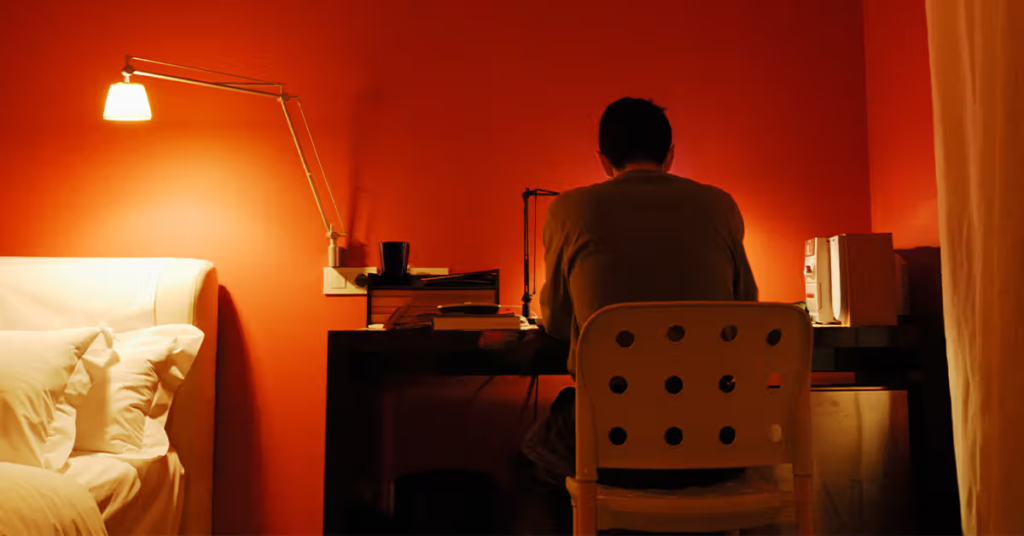
One of the most serious concerns highlighted in wellhealthorganic.com:health-hazards-of-prolonged-sitting is cardiovascular health.
When we sit:
- Blood flow slows down
- Fat-burning enzymes decrease
- Circulation becomes less efficient
This increases the risk of:
- High blood pressure
- Heart disease
- Stroke
Even people who exercise regularly are not fully protected if they sit for long, uninterrupted periods. Movement throughout the day matters just as much as workouts.
Sitting and Metabolism: Why Weight Gain Sneaks Up
Our metabolism relies on regular muscle activity. When muscles are inactive, calorie burning drops significantly.
Prolonged sitting can:
- Reduce insulin sensitivity
- Increase fat storage
- Slow digestion
This is why sitting too much is strongly linked to:
- Weight gain
- Type 2 diabetes
- Metabolic syndrome
It’s not just about how much we eat. It’s also about how little we move.
The Impact on Digestion and Gut Health
Sitting compresses the abdominal area, which can interfere with digestion. Over time, this can lead to:
- Bloating
- Constipation
- Sluggish digestion
Standing and gentle movement help food move naturally through the digestive tract. Long sitting hours interrupt this process, especially after meals.
Mental Health and Brain Function Take a Hit
Prolonged sitting doesn’t only affect the body. It also impacts the mind.
Reduced movement leads to:
- Lower oxygen circulation to the brain
- Reduced endorphin release
- Increased fatigue
This is why long sitting sessions are linked to:
- Brain fog
- Reduced focus
- Higher stress levels
- Low mood
Movement is a natural mental reset. Without it, both productivity and emotional balance suffer.
Sitting and Poor Posture: A Long-Term Chain Reaction
Bad posture becomes a habit when sitting dominates our day. Over time, posture problems don’t just look uncomfortable, they become painful and limiting.
Common posture issues include:
- Forward head posture
- Rounded upper back
- Weak core muscles
These posture problems increase strain on joints, nerves, and muscles, often leading to chronic discomfort.
Why Standing Once Isn’t Enough
Many people think standing up once or twice a day solves the problem. Unfortunately, it doesn’t.
Health experts emphasize movement frequency, not just duration. Our bodies benefit most from:
- Short, frequent breaks
- Light activity every 30–60 minutes
- Changing posture often
Consistency matters more than intensity when fighting the hazards of prolonged sitting.
Real-Life Signs We’re Sitting Too Much
Sometimes the body sends early warning signs. We just tend to ignore them.
Watch out for:
- Stiffness when standing up
- Frequent back or neck aches
- Heavy legs or swelling
- Constant fatigue
- Reduced flexibility
These signs are your body asking for movement.
Simple Ways We Can Reduce Sitting Damage Daily

At wellhealthorganic.com:health-hazards-of-prolonged-sitting, we focus on practical, realistic habits, not extreme routines.
Move Every 30–45 Minutes
Stand, stretch, or walk for 2–5 minutes. Even small movements help restart circulation.
Improve Sitting Posture
Keep feet flat, back supported, and screens at eye level.
Use Active Breaks
Instead of scrolling, walk, stretch, or do light mobility exercises.
Stand While Doing Simple Tasks
Phone calls, emails, or reading can be done standing.
Walk After Meals
A short walk improves digestion and blood sugar balance.
Sitting at Work: The Modern Health Challenge
Office jobs are one of the biggest contributors to prolonged sitting. Long meetings, screens, and deadlines make movement easy to forget.
Healthy workplace habits include:
- Standing meetings when possible
- Desk stretches
- Walking discussions
- Adjustable workstations
A healthier workday doesn’t reduce productivity. It improves it.
Long-Term Risks We Should Not Ignore
Ignoring prolonged sitting doesn’t cause immediate damage, but over years, the risks increase significantly.
Long-term consequences include:
- Chronic joint pain
- Reduced mobility in later life
- Higher risk of cardiovascular disease
- Loss of muscle strength
Prevention today means better health tomorrow.
Movement Is Not Exercise Only
Many people believe exercise cancels out sitting. It helps, but it’s not enough.
Movement includes:
- Standing
- Walking
- Stretching
- Changing posture
These small actions throughout the day keep the body functioning naturally.
Our Take at WellHealthOrganic
At wellhealthorganic.com, we believe health isn’t about perfection. It’s about awareness and balance. Sitting is part of modern life, but it doesn’t have to control our health.
By understanding wellhealthorganic.com:health-hazards-of-prolonged-sitting, we empower ourselves to make smarter daily choices without stress or pressure.
Final Thoughts
Prolonged sitting is one of the most underestimated health challenges of our time. It quietly affects muscles, posture, heart health, metabolism, digestion, and mental clarity.
The good news is simple. Small movements, frequent breaks, and posture awareness can make a powerful difference.
We don’t need to overhaul our lives. We just need to move a little more, a little more often. That’s how long-term wellness begins.