Bankruptcy to a Billion-Dollar Legacy: What Walt Disney’s Failures Reveal About Success on Blogs Auction
Walt Disney is a name that evokes magic, childhood memories, and beloved characters. But when the curtain of the castle and cartoons is lifted, there exists a lesser-known reality: Walt Disney Story failed, amazingly, and frequently. His tale is not so much one of imagination and fantasy; it’s one of shingle, flexibility, and ruthless perseverance in the face of daunting barriers.
For American entrepreneurs, dreamers, and creatives, Walt Disney’s early struggles offer powerful lessons in directing failure and building something greater than yourself. All from success and fame to the hurdles faced we are here to share all about Walt Disney life on Blogs Auction.
The First Big Dream That Collapsed
Before Disneyland and before Mickey Mouse, Walt Disney was just another failed artist with a vision. In the early 1920s, he began a small animation business in Kansas City known as Laugh-O-Gram Studios. He was only 20 years old and had big goals. The studio started creating short cartoons, and for a brief period, things seemed promising.
But bad financial management, delayed payments from distributors, and a reliance on handshake agreements brought it all crashing down. The company folded in 1923.
Most would have quit, but not Walt. He cleaned up what little he had and hopped a train to California with $40 in his pocket and a suitcase full of drawings, no clear plan in mind, just faith that he could do something special.
A Mouse Born of Betrayal
One of Walt’s first triumphs in Hollywood was with the conception of Oswald the Lucky Rabbit, a character he created in association with Universal Pictures. Oswald was a hit, but Disney didn’t hold the rights. When he attempted to negotiate his salary, Universal not only said no, they stole the character and most of his animators.
Walt was distressed. He had invested all of his creative energy into Oswald, to be excluded from his success. But during the train trip home, he did something remarkable.
Rather than sulking over the betrayal, he created a new character, a bright, mischievous mouse. His name? Mickey.
Mickey Mouse first officially appeared in Steamboat Willie in 1928 and was an overnight phenomenon. Disney ensured this time that he had the rights. It was a painful learning experience, but one that would ground his future.
Financing a Dream: The Risk of Snow White
By the mid-1930s, Disney had already revolutionized animation, but he had a still hastier idea: a full-length animated film. The business mocked him. Critics called it “Disney’s Folly.” Nobody believed people would sit through a 90-minute cartoon.
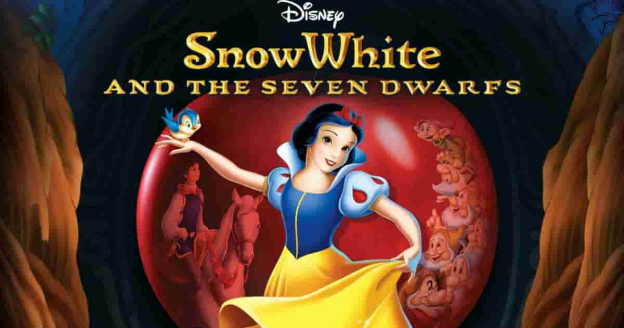
Disney invested his funds and loaned against his assets to finance the venture. He risked everything, even as production expenses ballooned out of proportion. The outcome? Snow White and the Seven Dwarfs opened in 1937 and was the biggest box-office hit of its era.
It wasn’t a commercial success alone. It redefined animation, storytelling, and cinema itself. And all this happened because Disney dared to place a bet on the impossible, even after having lost everything once in the past.
Confronting Failure Head-On: Post-War Challenges
Following a series of successes, such as Pinocchio, Fantasia, and Bambi, World War II disrupted the studio. Animators were drafted in large numbers, foreign markets evaporated, and Disney was again in deep debt. His films in the early 1940s performed poorly at the box office.
Even worse was the 1941 strike by animators, which split Disney from many veteran employees. It was both a professional and personal setback, making him cynical and disillusioned.
But he didn’t give up. Instead, Disney changed his focus. He began to concentrate on live-action movies, educational documentaries, and television, all of which steadied the company. And in the 1950s, he was already preparing the groundwork for his grandest concept ever: Disneyland.
Disneyland: A Risk So Huge Everyone Figured He’d Gone Crazy
Theme parks in the early 1950s were dirty, uninspired facilities intended primarily for children. But Disney intended something different: what if a park could be clean, lovely, and created for the entire family?
To raise money to fund Disneyland, Disney became inventive. He created independent companies, joined up with television networks (starting The Mickey Mouse Club), and even sold his life insurance on mortgage. Critics once more foretold failure.
Disneyland was launched in 1955, and after a calamitous opening day (defective rides, clogged toilets, and crowds), it was one of the world’s most cherished destinations. Millions of Americans gather each year, demonstrating once more that bold dreams pay incredible bonuses.
Walt’s Failures: Lessons Learned
For today’s U.S. audiences, youthful professionals, entrepreneurs, and artists comprise Walt Disney’s failures, which are as rousing as his successes. Here are some of the most important lessons:
- Failure isn’t final, Walt was rejected, betrayed, and bankrupted, but he always moved forward.
- Protect your intellectual property. Losing Oswald taught him to control his creations. In today’s digital economy, this lesson is more relevant than ever.
- Take smart risks. Disney never gambled unthinkingly. He took calculated risks and varied income (TV, merchandise, theme parks).
- Adjust to change, in response to war, union walkouts, or failed productions, Disney adapted. His capacity to shift allowed him to save his career.
- Continue to dream big. The greatest successes usually result from ideas others reject.
The Real Magic Behind Walt Disney
Walt Disney constructed more than characters and castle walls; he built a mentality that still shapes the American spirit. His name has become associated with fantasy, but his true legacy is entrenched in something far more considerable: flexibility.
He wasn’t born wealthy, didn’t take the traditional path, and didn’t always succeed. But he always tried again.
In a world where failure is feared, Walt Disney’s history challenges us to remember that failure isn’t the end of the story; it’s just the beginning. True magic isn’t just in dreaming; it’s in being brave enough to fail and brave enough to try again.
Keep an eye for more latest news & updates on Wellhealth Organic!