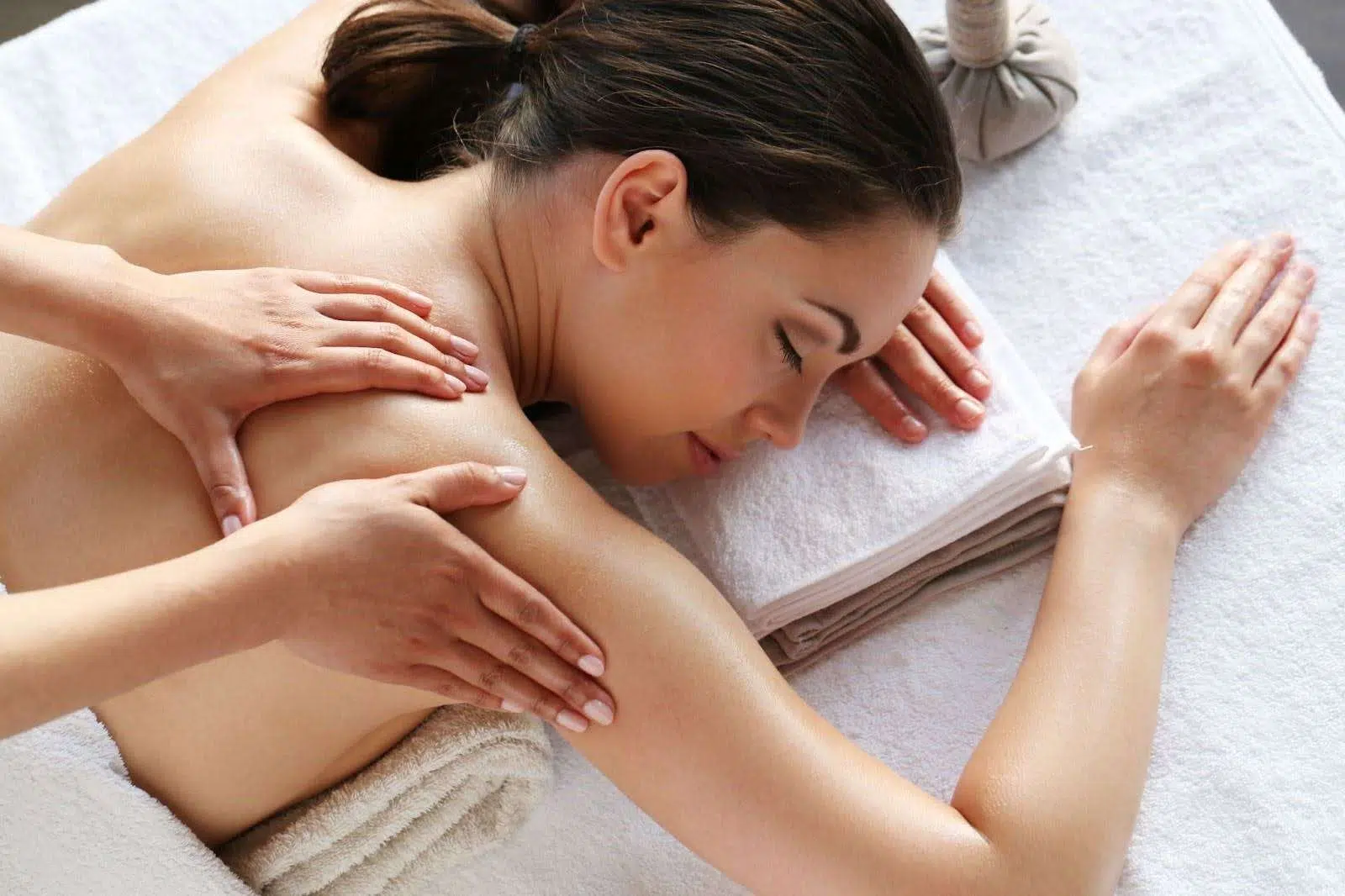
7 Natural Massage Techniques That Support Your Body’s Healing Power
Our grandmothers knew something modern medicine is only now rediscovering. The healing power of touch, combined with natural oils and mindful practice, can transform your health without a single chemical or pill. In Ayurvedic tradition, massage is not just luxury or pampering. It is medicine. It is prevention. It is a daily practice that keeps your body strong, your mind calm, and your spirit balanced.
Today, stress touches every part of our lives. We sit too long at desks. We stare at screens until our necks ache. We carry tension in our shoulders like heavy bags we forgot to put down. Our bodies are asking for help, and massage answers that call in the most natural way possible.
At Well Health Organic, we believe your healing journey should be simple, affordable, and rooted in nature. You do not need expensive spa treatments or complicated equipment. Most of these techniques can be practiced at home with ingredients from your kitchen. Some you can do yourself. Others work better with a partner or family member. A few benefit from professional guidance when dealing with serious pain or injury.
This guide shares seven powerful massage techniques that support your body’s natural healing ability. From ancient Ayurvedic practices to traditional methods from other cultures, each approach offers unique benefits. Whether you are managing chronic pain, seeking stress relief, or simply wanting to add natural wellness practices to your routine, these techniques provide real solutions.
Let us explore how the simple act of mindful touch can bring profound changes to your health and happiness.
1. Abhyanga: Traditional Ayurvedic Self-Massage
Abhyanga is perhaps the most important daily practice in Ayurveda. This self-massage using warm oil nourishes your skin, calms your nervous system, and helps remove toxins from your body. Think of it as a morning shower for your entire being, not just your body.
The practice works by stimulating your lymphatic system, which removes waste products from tissues. The warm oil penetrates deep into skin layers, providing moisture and nutrients while the massage strokes improve blood circulation. Regular practice can reduce visible signs of aging, improve sleep quality, and create a sense of groundedness that stays with you throughout the day.
How to practice Abhyanga at home:
Start by warming your oil. Sesame oil works beautifully for most people, though coconut oil suits those with more heat in their constitution (Pitta types). Pour about a quarter cup into a small container and warm it by placing the container in hot water for a few minutes. The oil should feel pleasant and warm on your skin, never hot.
Begin at your scalp. Pour a small amount of oil onto your hands and massage your entire head using circular motions. Spend extra time on your temples and the base of your skull, where tension often hides. Move down to your face and ears, using gentle circular movements.
For your body, use long strokes on long bones (arms and legs) and circular motions on joints (shoulders, elbows, knees, ankles). Pay special attention to your belly, using clockwise circles that follow your digestive tract. This helps with elimination and reduces bloating.
Your feet deserve extra love. The soles contain thousands of nerve endings connected to every organ in your body. Spend at least two minutes massaging each foot, pressing firmly into the arch and working each toe individually.
The whole process takes 15 to 20 minutes. Afterward, let the oil absorb for 10 to 15 minutes before bathing. You will notice your skin feels incredibly soft, and your mind feels remarkably quiet. Many people report this practice helps them handle daily stress much better.
Best oils for different needs:
- Sesame oil: Warming, grounding, ideal for dry skin and anxiety
- Coconut oil: Cooling, soothing, perfect for inflammation and heat conditions
- Almond oil: Nourishing, gentle, good for sensitive skin
- Mustard oil: Stimulating, warming, excellent for joint pain and cold weather
Add a few drops of essential oils if you like. Lavender brings calm, rosemary stimulates circulation, and sandalwood provides emotional balance. Keep additions minimal though. The carrier oil itself provides most of the benefit.
2. Acupressure Points for Daily Wellness
Acupressure comes from Traditional Chinese Medicine but shares similarities with Ayurvedic marma point therapy. Both recognize that specific points on your body, when pressed correctly, can influence your health in powerful ways. You can learn a few basic points and use them whenever needed, no special training required.
The beauty of acupressure is its simplicity and accessibility. You can practice it anywhere – at your desk, in bed, while watching television, even on a bus. The techniques require only your fingers and knowledge of where to press.
Essential acupressure points everyone should know:
For headaches: Find the webbing between your thumb and index finger. Press firmly into the meaty part of this web, holding for 30 seconds while breathing deeply. Switch hands and repeat. This point, called LI4 or Hegu, is famous for relieving headaches, particularly those caused by tension or sinus pressure.
For digestive upset: Measure three finger widths below your knee cap, just to the outside of your shin bone. Press this point (ST36 or Zusanli) with firm, circular motions for one minute. This powerfully supports digestion, reduces nausea, and boosts overall energy. In traditional medicine, this point is considered so important that regular stimulation can improve general health and immunity.
For stress and anxiety: The inner wrist point works wonders. Measure three finger widths from your wrist crease toward your elbow, right in the center between the two tendons. Press firmly for one to two minutes while breathing slowly. This point (PC6 or Neiguan) calms your heart, settles your stomach, and quiets racing thoughts.
For better sleep: Behind your ear, in the depression just below the skull bone, lies a point that promotes deep rest. Press gently here for 30 seconds before bed, breathing deeply. You can also try the point on the sole of your foot, about one-third of the way from your toes to your heel, right in the center. Press firmly here while lying in bed.
For energy boost: When afternoon fatigue hits, press the top of your head at the very crown, where lines drawn from the tops of both ears would meet. Apply firm pressure with your middle finger for 30 to 60 seconds. Many people feel an immediate lift in energy and mental clarity.
Press each point with enough force that you feel a slight ache or tingling sensation, but never actual pain. Breathe deeply and slowly while applying pressure. The breathing amplifies the effect significantly. Hold most points for 30 seconds to two minutes, though you can press longer if it feels good.
Practice acupressure when you first notice symptoms. Do not wait until a headache becomes unbearable or stress overwhelms you completely. Regular use of these points, even when you feel fine, helps prevent problems from developing. Think of it as natural preventive medicine that costs nothing and takes only minutes.
3. Foot Reflexology for Whole Body Balance
Your feet are maps of your entire body. This is not poetic language but actual anatomical connection. In reflexology, specific zones on your feet correspond to organs and systems throughout your body. Massaging these zones can influence the health of those corresponding areas.
Scientists are still studying exactly how reflexology works, but the results speak for themselves. Studies show it reduces pain, improves circulation, promotes better sleep, and helps the body maintain balance. Many people find it incredibly relaxing, perhaps because our feet carry us all day but rarely receive the attention they deserve.
Basic foot reflexology routine:
Sit comfortably where you can easily reach your feet. Cross one ankle over the opposite knee. If this is difficult, prop your foot on a stool or ottoman. Apply a small amount of warm oil to your foot. Coconut, almond, or sesame oil all work well.
Start by warming up the entire foot. Use your thumbs to knead the sole with firm pressure, working from heel to toes. Rotate each toe gently. Flex your foot up and down, stretching the arch. This preparation helps your foot relax and become receptive to the deeper work.
Key reflexology zones to focus on:
The ball of your foot beneath your toes relates to your chest, lungs, and upper back. Press firmly here with your knuckles, making small circles. Spend extra time on tender spots, which often indicate areas needing support.
The arch of your foot corresponds to your digestive organs. The inner arch relates to your spine. Use your thumbs to “walk” across this area, pressing firmly. If you experience digestive issues or back pain, you will likely find tender areas here.
Your heel connects to your lower back, hips, and sciatic nerve. Many people with lower back problems find their heels quite sensitive. Grip your heel with both hands and squeeze firmly, then use your knuckles to work around the entire heel area.
The top outer edge of your foot relates to your shoulders and arms. The inner edge near your arch connects to your spine. Work these edges with your thumb and fingers, applying firm pressure.
Finish by holding your foot with both hands and gently twisting in opposite directions, as if wringing out a towel (but very gently). Then hold still for a moment, sending gratitude to your feet for carrying you through life.
Spend 10 to 15 minutes on each foot. Practice this before bed to improve sleep quality. You can also do a quick five minute version whenever your feet feel tired or swollen. Pregnant women find foot reflexology particularly helpful, though they should avoid the area around the ankles, which can stimulate contractions.
Some people worry about finding the exact right spots. Honestly, any foot massage provides benefits. If you press on tender areas and work them gently, you are probably hitting zones that need attention. Trust your feet to guide you.
4. Scalp Massage for Hair Growth and Mental Calm
Indian tradition has always recognized the power of scalp massage. Not only does it promote thick, healthy hair, but it also calms your mind remarkably. Your scalp contains numerous marma points, and massaging them affects your entire nervous system.
Modern research now confirms what grandmothers always knew. Scalp massage increases blood flow to hair follicles, potentially improving hair growth and thickness. It reduces levels of stress hormones in your body. It can help with tension headaches and even improve sleep quality. Many people report feeling clearer and more focused after a good scalp massage.
Proper scalp massage technique:
Warm your oil first. Traditional choices include coconut oil (cooling and nourishing), sesame oil (warming and grounding), or almond oil (gentle and moisturizing). You can infuse your oil with curry leaves, fenugreek seeds, or hibiscus flowers for extra hair benefits. Simply warm the ingredients together gently and strain before use.
Pour a small amount of oil into your palms and rub them together. Start at your hairline, using your fingertips (not nails) to make small, firm circles. Imagine you are shampooing your hair but with more pressure. Cover your entire scalp systematically, working from front to back and side to side.
Pay special attention to your temples, using gentle circular motions. Many people hold tremendous tension here. Also massage the base of your skull where it meets your neck. This area often feels tight and releases beautifully with attention.
Use all your fingers to gently “scratch” your scalp all over, creating a pleasant tingling sensation. Then use your fingertips to tap lightly all over your head, which stimulates blood flow and feels wonderfully energizing.
Finish by running your fingers through your hair repeatedly, from roots to tips. This distributes the oil and creates a sense of completion.
The entire massage takes just five to ten minutes. For best results, leave the oil in your hair for at least 30 minutes before washing, or even overnight if you use a towel on your pillow. Practice this two to three times weekly for healthier hair and a calmer mind.
Stress relief variation:
If you want to focus purely on stress relief rather than hair care, you can do this massage without oil. Simply use your fingertips to massage your scalp for five minutes, focusing on areas that feel tight. The pressure and movement alone provide tremendous relief.
One simple technique works remarkably well. Place your fingertips on your scalp and press firmly while making small circles. Hold that pressure and slowly slide your scalp over your skull (rather than sliding your fingers across your scalp). This releases tension in the scalp fascia beautifully. Move to a new spot every 10 to 15 seconds until you have covered your entire head.
5. Professional Remedial and Deep Tissue Work
While home massage practices offer tremendous benefits, sometimes your body needs professional help. Chronic pain, old injuries, severe tension, or specific musculoskeletal issues often require the skilled hands of a trained therapist who understands anatomy, pathology, and therapeutic techniques.
There is no shame in seeking professional care. Actually, it shows wisdom. Just as you would consult a doctor for serious illness, professional massage therapy provides targeted treatment that self-care cannot match. The key is knowing when to seek this help and what to expect.
When to consider professional massage:
If you experience persistent pain that does not improve with rest and home care, professional assessment can identify underlying issues. A skilled therapist can determine whether your pain stems from muscle tension, trigger points, postural imbalances, or something requiring medical attention.
Old injuries often create compensation patterns. You favor one side, then the other side gets overworked and painful. These complex patterns need professional eyes and hands to unravel effectively.
Limited range of motion in joints, recurring headaches, chronic upper back and neck tension from desk work, and sciatic pain all respond well to professional treatment. Athletes benefit from sports massage to prevent injuries and speed recovery. Pregnant women find specialized prenatal massage incredibly helpful.
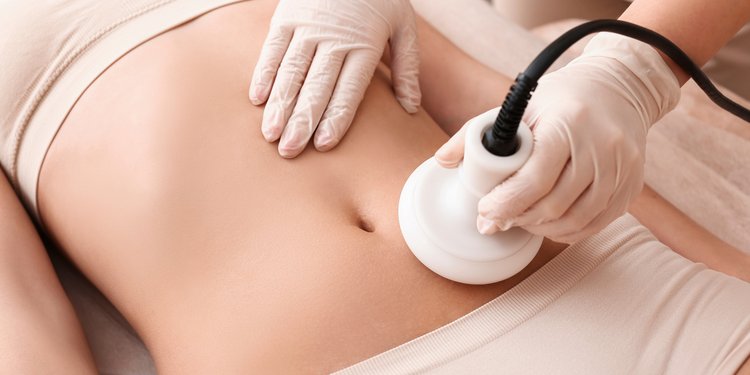
Professional massage therapy combines multiple techniques like remedial massage, deep tissue work, and energy healing to address complex muscular issues that home remedies cannot fully resolve. Skilled practitioners assess your whole body, not just the area that hurts. They understand that knee pain might actually stem from hip tightness, or that headaches often originate from jaw or neck tension.
What happens in a professional session:
A good therapist begins with questions about your health history, current concerns, and goals. This consultation helps them tailor the treatment to your specific needs. They observe how you move and may perform simple tests to assess range of motion or identify areas of restriction.
During treatment, communication matters tremendously. Speak up about pressure (too much or too little), areas of discomfort, or what feels good. Professional massage should never be torture. Some discomfort can occur when working chronically tight areas, but it should feel like “good pain” or productive discomfort, not sharp or unbearable pain.
Many therapists incorporate multiple techniques in one session. They might use deep tissue strokes to release stubborn knots, then switch to gentler flowing movements to calm your nervous system. Some add trigger point therapy, which involves sustained pressure on specific points that refer pain to other areas. Others include energy work, aromatherapy, or hot stones depending on your needs.
A typical session lasts 60 to 90 minutes. You might feel immediately better afterward, or you might feel a bit tender for a day or two before improvements become apparent. This is normal when releasing deeply held tension. Drink plenty of water after massage to help flush out metabolic waste released from tissues.
Finding the right practitioner:
Look for properly trained and registered massage therapists. In Australia, therapists registered with professional associations can often be claimed through private health insurance. Ask about their experience with your specific concern. Some specialize in injury rehabilitation, others in stress relief or pregnancy care.
A good therapeutic relationship makes a big difference. You should feel comfortable, heard, and respected. If something does not feel right, it is perfectly acceptable to seek a different practitioner. Your comfort and safety always come first.
6. Lomi Lomi: Ancient Hawaiian Healing Touch
While Indian traditions offer incredible healing practices, other cultures have developed profound massage techniques as well. Lomi Lomi massage, the ancient Hawaiian healing art, offers a deeply spiritual approach to bodywork that complements Ayurvedic practices beautifully.
Traditional Hawaiian culture views all aspects of life as connected. Physical pain often reflects emotional or spiritual imbalance. Lomi Lomi addresses all these layers simultaneously through flowing, rhythmic touch that feels like gentle ocean waves moving across your body.
The philosophy behind Lomi Lomi:
In Hawaiian tradition, practitioners offer massage as a sacred service, often with prayer and intention. They work with “mana” (life force energy, similar to prana in yoga) to support the client’s healing journey. The massage is never just physical manipulation but a holistic treatment of body, mind, emotions, and spirit.
This approach resonates strongly with Ayurvedic philosophy, which also recognizes the interconnection of all aspects of self. Both traditions understand that true healing requires addressing root causes, not just symptoms.
What makes Lomi Lomi unique:
Unlike typical massage where the therapist works specific areas systematically, Lomi Lomi uses long, continuous strokes that flow from one area to another. The practitioner might work your arm, then flow that stroke across your shoulder, down your back, and along your leg in one continuous movement.
They use not just their hands but forearms and elbows, creating broader, more enveloping contact. This creates a sense of being held and supported that many people find deeply comforting. You are usually covered in oil from head to toe, allowing smooth, uninterrupted movement.
The rhythm of the strokes mimics natural movements like waves, wind through trees, or the swaying of hula dance. This rhythmic quality helps quiet your mind and brings you into a meditative state. Gentle rocking and stretching are woven throughout the session.
Benefits of this approach:
The flowing, rhythmic nature of Lomi Lomi naturally calms your nervous system. Your body literally cannot maintain fight-or-flight stress response when receiving this kind of nurturing touch. This makes it particularly effective for anxiety, emotional tension, and stress-related physical symptoms.
The long strokes improve lymphatic drainage and circulation throughout your entire body. Many people report feeling more “connected” to their body afterward, less fragmented or scattered. This integration of body and mind supports overall wellness.
Because the approach addresses emotional and spiritual dimensions, people sometimes have emotional releases during or after Lomi Lomi. Tears, laughter, or waves of peace are all normal responses. In this tradition, these releases are viewed as healthy signs that blocked energy is moving and healing is occurring.
Combining traditions:
You do not have to choose between Ayurvedic massage and practices like Lomi Lomi. Different approaches offer different benefits, and your needs change over time. Someone might practice daily Abhyanga for general wellness, receive professional remedial massage when injured, and occasionally experience Lomi Lomi for deep emotional and spiritual restoration.
The common thread across all healing traditions is reverence for the body’s innate wisdom and healing capacity. Whether Hawaiian, Indian, Chinese, or any other tradition, authentic healing practices recognize that we are more than just physical bodies. True wellness requires nurturing all aspects of our being.
7. Partnered Massage: Building Connection at Home
One of the simplest yet most powerful healing practices gets overlooked in our busy lives. Sharing massage with a partner, family member, or close friend not only provides physical benefits but strengthens your relationship and creates opportunities for rest and connection.
You do not need professional skills to give a caring massage to someone you love. Simple techniques practiced with presence and kindness can relieve tension, show affection, and create moments of peace in a hectic household.
Benefits beyond the physical:
Touch is a fundamental human need. Studies show that regular positive touch reduces stress hormones, improves immune function, and even helps us live longer. In relationships, non-sexual affectionate touch builds intimacy and trust. For parents and children, massage time creates bonding opportunities and helps children learn healthy boundaries around touch.
Giving massage can be as therapeutic as receiving it. The giver experiences slowed breathing, lowered heart rate, and increased feelings of compassion and connection. Many people find offering care to others deeply satisfying and stress-relieving.
Simple partnered massage routine:
Create a peaceful environment. Dim lights, light a candle or incense, play gentle music if you like. Warm your room adequately since the person receiving will be still and might get cold. Have towels, pillows for positioning, and your chosen oil ready.
Start with the back since most people find this least intimate and most purely relaxing. Have your partner lie face down, covered with a towel except for the area you are working on.
Pour oil into your hands and rub them together to warm it. Place both hands on your partner’s back and simply rest them there for a moment, allowing connection and intention to form. Then begin with broad, sweeping strokes up the back and down the sides, using your whole palm. These warming strokes prepare the tissue for deeper work.
Pay attention to areas of obvious tension. Shoulders, upper back, and lower back often hold the most tightness. Use your thumbs to make small circles on either side of the spine (never press directly on spine bones). When you find a particularly tight spot, hold steady pressure there for 20 to 30 seconds, allowing the muscle to release.
Use the heels of your hands to press firmly along the muscles bordering the spine. Work your way from lower back up to shoulders. The weight and breadth of your palms feel good and provide deep pressure without sharp pain.
For shoulders, use a kneading motion like working dough. Grasp the shoulder muscle between your fingers and palm and squeeze gently but firmly. Most people carry enormous tension here and find this incredibly relieving.
Finish the back with more long, soothing strokes, gradually lightening your pressure to signal completion.
For other areas:
Neck and shoulders respond well to gentle kneading and circular thumb pressure at the base of the skull. Be extra gentle on the neck since it is vulnerable.
Feet appreciate the reflexology techniques described earlier. Most people love having their feet massaged and find it deeply relaxing.
Hands are often overlooked but hold surprising tension. Massage the palm with your thumbs, gently pull each finger, and work around the wrist. People who type all day especially appreciate this.
Communication is key:
Check in regularly. Ask about pressure (more, less, just right?). Ask what feels good and what does not. If something hurts or feels wrong, stop immediately. Remember that preferences vary day to day. Sometimes someone wants deep pressure, other times gentle touch feels right.
The receiver should speak up about their experience. There is no point suffering through uncomfortable massage out of politeness. The goal is relaxation and care, which requires honest communication.
Take turns. Do not let one person always give while the other receives. Both roles provide benefits, and reciprocity strengthens the relationship.
Make it regular. Even 15 minutes of massage twice a week creates rhythm and ritual that both people can look forward to. It becomes sacred time together, protected from devices and distractions.
Practical Tips for All Massage Practices
Regardless which technique you practice, certain principles apply across the board. These tips help you get the most benefit while avoiding common mistakes.
Choosing and using massage oils:
Quality matters. Pure, organic, cold-pressed oils provide the best results. Cheap, refined oils do not penetrate skin well and may contain additives. Invest in good oils and store them properly in dark bottles away from heat and light.
Match the oil to your needs and constitution. Sesame oil works for most people most of the time. Coconut suits those with excess heat or inflammation. Almond offers gentle nourishment for sensitive skin. Mustard oil, common in Indian tradition, generates warmth and works well for joint pain, though its strong smell is not for everyone.
Always warm your oil before use. Cold oil shocks the body and does not absorb well. Warm oil soothes the nervous system and penetrates deeply. Place your container of oil in hot water for a few minutes before starting.
Less is usually more. You want enough oil for smooth gliding without dragging skin, but too much just makes you slippery. Start with a small amount and add more as needed.
Timing and frequency:
Morning Abhyanga sets a calm, grounded tone for your day. It provides a moving meditation that centers you before facing daily demands. Many practitioners swear by this timing.
Evening massage, especially foot or scalp massage, prepares your body for deep sleep. It signals your nervous system to shift into rest mode. People with insomnia often find this timing most beneficial.
Consistency matters more than duration. Ten minutes daily provides better results than an hour once monthly. Even five minutes of intentional touch creates positive change.
Creating the right environment:
Temperature matters significantly. A cold room makes relaxation impossible as your muscles contract to generate warmth. Heat your space adequately before massage.
Minimize distractions. Turn off phone notifications. Let household members know this is protected time. Interruptions destroy the meditative quality that makes massage truly therapeutic.
Comfort is essential. Use cushions and bolsters to support body position. A firm surface works better than a soft mattress, which creates awkward angles. A yoga mat on the floor often works well.
When to avoid or modify massage:
Skip massage if you have a fever, acute injury, or active infection. Massage increases circulation, which can spread infection or worsen acute inflammation.
Be very gentle over bruises, varicose veins, or skin conditions. Avoid affected areas entirely if you are unsure.
Pregnant women should avoid certain points, particularly around ankles and sacrum, which can stimulate contractions. Seek a therapist trained in prenatal massage for professional work.
People with certain health conditions (cancer, blood clotting disorders, recent surgery, severe osteoporosis) should consult their doctor before receiving massage.
Maximizing benefits:
Hydration amplifies massage benefits significantly. Drink plenty of water before and especially after massage to help flush released toxins and metabolic waste.
Move gently after massage. Avoid jumping immediately into strenuous activity. Allow your body to integrate the work and maintain the relaxed state.
Pay attention to how you feel. Notice changes in pain levels, flexibility, mood, sleep quality. This awareness helps you determine which techniques work best for your body.
Combine massage with other wellness practices. Meditation, yoga, proper nutrition, and adequate sleep all work synergistically with massage to support optimal health.
Conclusion: Embracing the Healing Power of Touch
Touch is our first language. Before we understand words, we comprehend love, safety, and care through how we are held. This fundamental truth does not change as we grow older, yet many of us become touch-deprived in our busy, isolated modern lives.
Massage reconnects us with this essential need. Whether you practice simple self-massage with warm oil each morning, exchange foot rubs with your partner before bed, or seek professional treatment for persistent pain, you are participating in one of humanity’s oldest and most effective healing practices.
The techniques shared in this guide come from different cultures and traditions, yet they share common wisdom. They recognize that healing is not something done to you but something your body knows how to do when given proper support. They honor the connection between physical, emotional, and spiritual wellbeing. They work with nature rather than against it.
You do not need to practice all seven techniques. Choose one that resonates and commit to it for a few weeks. Notice what changes. Perhaps your sleep improves. Maybe that persistent shoulder tension finally releases. You might find your mood lifts or your anxiety decreases. Small shifts accumulate into significant transformation.
Start simply. Tomorrow morning, before your shower, spend just five minutes massaging your feet with warm oil. Pay attention to how this small act affects your entire day. The following week, add scalp massage twice before washing your hair. Build gradually, letting these practices become as natural as brushing your teeth.
Remember that healing takes time. You did not develop tension, pain, or stress overnight, and they will not disappear instantly either. But consistent, gentle, natural practices create sustainable change that lasts. This is the Well Health Organic way: working with your body’s innate wisdom, using what nature provides, building habits that nourish rather than deplete.
Your body has carried you this far. It deserves your gratitude, attention, and care. Through the simple yet profound practice of massage, you offer that care in one of the most direct ways possible. You say to your body: I see you, I hear you, I will support you in healing.
What will you try first? Share your experiences with massage in the comments below. Have you practiced Abhyanga or learned acupressure points? Have you received professional massage therapy that changed your life? Your story might inspire someone else to begin their own healing journey.
For more natural wellness practices, explore our guides on Ayurvedic daily routines, herbal remedies for common ailments, and organic beauty treatments. Together, we build a community committed to natural health and holistic wellbeing.
Here is to the healing power of touch, the wisdom of ancient traditions, and your journey toward vibrant, natural wellness.
Keep an eye for more latest news & updates on Wellhealth Organic!