When Should Women Go for a Mammogram?
A mammogram is an X-ray examination of the breast. It is commonly used for breast cancer screening and for assessing breast symptoms such as a lump, nipple discharge, breast skin changes, or unexplained breast pain.
Many women wonder when they should start mammogram screening, how often they should go, and whether they need a mammogram if they have no symptoms. The answer depends on age, personal risk factors, family history, previous breast findings, and whether there are breast symptoms that need diagnostic assessment.
What Is a Mammogram?
A mammogram is a breast imaging test that uses low-dose X-rays to look for changes in breast tissue. It may help detect breast abnormalities before they can be felt during a physical examination.
Mammograms may be used for two main purposes:
- Screening mammogram
- Diagnostic mammogram
A screening mammogram is done when there are no breast symptoms. Its purpose is to look for early breast changes.
A diagnostic mammogram is done when there is a breast symptom or an abnormal screening result. It may involve additional views or targeted imaging to assess a specific area.
When Should Women Start Mammogram Screening?
In Singapore, women aged 40 and above may discuss mammogram screening with a doctor. Screening frequency depends on age group and personal risk.
For women aged 40 to 49, mammogram screening may be done yearly after discussing the benefits and limitations with a doctor.
For women aged 50 and above, mammogram screening is commonly recommended once every two years if they are at average risk and have no symptoms.
Women with a higher risk of breast cancer may need an individualised screening plan. This may include earlier screening, different imaging tests, or screening at a different interval based on medical advice.
Mammogram Screening by Age Group
Women Below 40
Routine mammogram screening is not usually done for average-risk women below 40. However, younger women should still seek medical advice if they notice breast symptoms.
A doctor may recommend breast ultrasound, mammogram, MRI, or other tests depending on the symptoms, breast tissue pattern, family history, and clinical findings.
Women below 40 should seek assessment if they notice:
- A new breast lump
- Nipple discharge
- Skin dimpling
- Nipple inversion
- Breast swelling
- Persistent localised breast pain
- Underarm lump
- Any breast change that feels unusual
Women Aged 40 to 49
Women in their 40s may consider mammogram screening after discussing the benefits and limitations with a breast doctor. Screening may be done yearly if the woman chooses to proceed.
This age group may need discussion because breast density, personal risk, false positive results, and follow-up testing may affect the screening experience.
Women in this age group may wish to ask:
- Is mammogram screening suitable for me now?
- Do I have risk factors that affect screening frequency?
- Are there limitations because of dense breast tissue?
- What happens if the result is abnormal?
- Do I need ultrasound in addition to mammogram?
- How often should I repeat screening?
A doctor can help decide whether annual screening is appropriate based on personal risk and preferences.
Women Aged 50 and Above
Women aged 50 and above are commonly advised to go for mammogram screening once every two years if they are at average risk and have no breast symptoms.
This is the age group where routine screening is commonly emphasised because breast cancer risk increases with age. Women should continue to discuss screening with a doctor, especially if they have medical conditions, previous breast abnormalities, or family history.
Women should not delay assessment if symptoms develop between routine mammograms. A new lump, nipple discharge, skin change, or underarm swelling should be checked even if the previous mammogram was normal.
Women with Breast Symptoms
Women with breast symptoms should not wait for routine screening. A mammogram in this situation may be considered diagnostic rather than screening.
Symptoms that should be assessed include:
- New breast lump
- Thickening or hardness in one area
- Nipple discharge
- Bloody nipple discharge
- New nipple inversion
- Skin dimpling or puckering
- Breast swelling
- Redness that does not settle
- Skin changes around the nipple
- Persistent localised breast pain
- Lump in the underarm
- Change in breast size or shape
Not every breast symptom is cancer. However, new, persistent, one-sided, or unusual changes should be reviewed by a doctor.
Women with Family History of Breast Cancer
Women with a family history of breast cancer may need an individualised screening plan. The timing and frequency of mammograms may depend on how closely related the affected family member is, the age at diagnosis, and whether there are multiple relatives with breast or related cancers.
Patients should tell their doctor if they have:
- A mother, sister, or daughter with breast cancer
- Several family members with breast cancer
- Breast cancer diagnosed at a younger age in the family
- Family history of ovarian cancer
- Known genetic mutation in the family
- Personal history of previous breast abnormalities
A doctor may recommend earlier screening, genetic counselling, breast MRI, or specialist review depending on the risk profile.
Women with Dense Breasts
Dense breast tissue can make mammogram interpretation more challenging in some cases. Dense breasts are common and are usually identified through breast imaging.
Women with dense breasts may be advised to discuss whether additional imaging is needed. This may depend on breast symptoms, risk factors, prior imaging results, and the doctor’s assessment.
Additional imaging may include breast ultrasound or MRI in selected cases. Not every woman with dense breasts needs additional tests, so the decision should be personalised.
Women with Previous Breast Findings
Women who previously had abnormal breast imaging, breast biopsy, benign breast lumps, breast surgery, or breast cancer treatment may need a different follow-up schedule.
The doctor may advise:
- Short-interval imaging follow-up
- Annual mammogram
- Mammogram with ultrasound
- Diagnostic imaging for new symptoms
- Specialist review
- MRI in selected situations
Patients should keep copies of previous mammogram reports and bring them to future appointments where possible. Comparing current and past images may help the radiologist assess breast changes.
Screening Mammogram vs Diagnostic Mammogram
A screening mammogram is done when there are no symptoms. It checks for early breast changes in women who are within a screening age group or risk category.
A diagnostic mammogram is done when there is a specific concern, such as a lump, nipple discharge, breast pain, or an abnormal screening result.
A diagnostic mammogram may involve:
- Additional breast views
- Magnified views
- Targeted assessment of one area
- Breast ultrasound
- Biopsy if needed
- Specialist review
Women with symptoms should book a medical consultation rather than treating the mammogram as routine screening.
What Happens During a Mammogram?
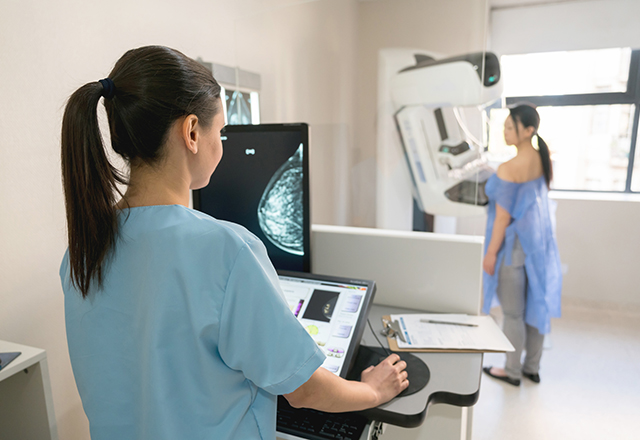
During a mammogram, each breast is placed between two plates and gently compressed for a short time. Compression helps spread out the breast tissue so clearer images can be taken.
Patients may feel pressure or discomfort, but the compression usually lasts only a short time for each image. The radiographer will guide the patient through positioning.
Women should inform the staff if they:
- Are pregnant or may be pregnant
- Are breastfeeding
- Have breast implants
- Have had breast surgery
- Have a painful breast area
- Feel faint or anxious during imaging
- Have mobility or positioning difficulties
How to Prepare for a Mammogram
Patients may prepare by:
- Wearing a two-piece outfit
- Avoiding deodorant, powder, perfume, or lotion on the chest or underarm area before the scan
- Bringing previous breast imaging reports if available
- Informing the clinic about breast implants
- Informing the clinic about pregnancy or breastfeeding
- Scheduling the appointment when the breasts are less tender, if still menstruating
- Preparing questions about results and follow-up
Patients should ask when results will be available and whether follow-up is needed.
What If the Mammogram Result Is Abnormal?
An abnormal mammogram does not always mean cancer. It means further assessment may be needed.
Follow-up may include:
- Additional mammogram views
- Breast ultrasound
- Short-interval imaging review
- Needle biopsy
- Specialist consultation
The recommended next step depends on the type of finding. Patients should ask what the result means, how urgent follow-up is, and whether previous imaging should be reviewed.
Can Mammograms Detect All Breast Cancers?
Mammograms are an important screening tool, but no test detects every cancer. Some breast cancers may not be visible on mammogram, especially in dense breast tissue or in certain tumour patterns.
Women should continue to be aware of breast changes even if they attend regular mammograms. Any new breast symptom should be assessed, even after a normal screening result.
When Should You See a Doctor Instead of Booking Routine Screening?
Book a medical consultation if there is a symptom or concern. Routine screening is for women without symptoms.
Seek assessment if you notice:
- New lump
- Nipple discharge
- Skin dimpling
- Breast swelling
- New nipple inversion
- Underarm lump
- Persistent localised pain
- Breast redness that does not settle
- Change in breast size or shape
A doctor can decide whether mammogram, ultrasound, biopsy, or specialist review is needed.
Questions to Ask Before a Mammogram
Women may wish to ask:
- Should I start mammogram screening now?
- How often should I go for screening?
- Am I considered average risk or higher risk?
- Do I need a screening or diagnostic mammogram?
- Do I also need breast ultrasound?
- What happens if the result is abnormal?
- How will I receive my results?
- Should I bring previous mammogram reports?
- Can I go for a mammogram if I have breast implants?
- What costs should I expect?
- Can subsidies or insurance apply?
These questions can help patients understand the reason for screening and the next steps.
Women in Singapore may consider mammogram screening from age 40 after discussing the benefits and limitations with a doctor. Women aged 40 to 49 may consider yearly screening if they choose to proceed. Women aged 50 and above are commonly advised to go for screening every two years if they are at average risk and have no symptoms.
Women with breast symptoms should not wait for routine screening. A new lump, nipple discharge, skin dimpling, nipple inversion, swelling, underarm lump, or persistent localised pain should be assessed by a doctor.
Women with family history, dense breasts, previous breast findings, or higher-risk factors may need an individualised screening plan. A doctor can advise when to start, how often to screen, and whether additional imaging is needed.
This article is for general information only and should not replace medical advice from a qualified healthcare professional.
FAQ
When should women go for a mammogram in Singapore?
Women aged 40 and above may discuss mammogram screening with a doctor. Women aged 40 to 49 may consider yearly screening, while women aged 50 and above are commonly advised to screen every two years if they are at average risk.
Should women below 40 go for a mammogram?
Routine mammogram screening is not usually done for average-risk women below 40. However, younger women with breast symptoms or higher-risk factors should seek medical assessment.
What is the difference between a screening mammogram and a diagnostic mammogram?
A screening mammogram is done when there are no symptoms. A diagnostic mammogram is done when there is a breast symptom or abnormal screening result that needs further assessment.
Do I need a mammogram if I have a breast lump?
A new breast lump should be assessed by a doctor. The doctor may recommend mammogram, ultrasound, biopsy, or specialist review depending on age, symptoms, and clinical findings.
How often should women go for a mammogram?
Women aged 40 to 49 may consider yearly mammogram screening after medical discussion. Women aged 50 and above are commonly advised to screen every two years if they are at average risk.
Can I go for a mammogram if I have no symptoms?
Yes. Screening mammograms are intended for women without symptoms. They can help identify breast changes before they are felt or noticed.