The Briefest of Blades: What is the Shortest Katana Ever Made?
The katana – a weapon that’s deeply intertwined with centuries of Japanese history and tradition, combining fire and steel in a beautiful marriage of art and craftsmanship. This iconic sword has held a revered status in Japan for its unique design, which includes a curved blade, full tang construction, and a distinctive guard. And then of course, there’s the length – or rather the elegance of it. But what happens when you take that elegant length and give it a more compact twist?
This post delves into the world of the shortest katana, looking at its roots in history, modern production, and just how it fits into the broader family of Japanese swords. Along the way, we’re going to explore the fine line between a short katana and its smaller cousins, like the wakizashi, to get to the bottom of what really constitutes the shortest katana ever made.
The Katana: A Weapon of its Time
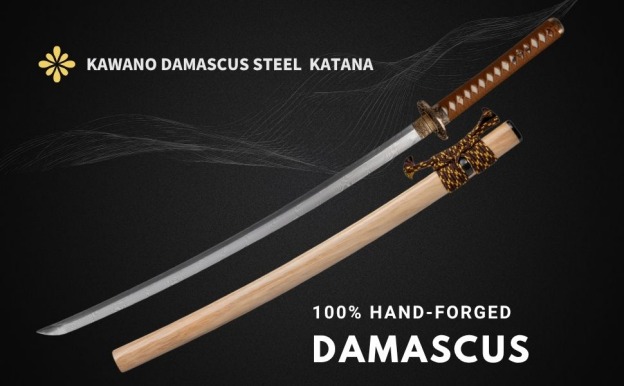
A true katana is a very specific type of sword, or nihonto, with a single-edged, curved blade measuring between 60 and 80 centimeters (23.6 to 31.5 inches) long. The samurai class used the katana as both a deadly weapon and a symbol of their status and honor. Its design made it the perfect tool for swift and powerful cuts – and that’s exactly what made it so feared by its enemies.
Making a handmade katana is a slow and laborious process that requires a level of skill that’s hard to match. It takes anywhere from several weeks to several months to complete, and involves selecting the right steel, folding the metal over and over to purify it, heat-treating the blade to create a hard edge and a softer spine, polishing it to perfection, and finally mounting it with authentic fittings. Each samurai sword is a one-off work of art, and that’s the price you pay for craftsmanship like this.
What is a “Short Katana”?
When we talk about the “shortest katana”, the question gets a bit complicated. See, the term “katana” gets thrown around pretty loosely to describe any samurai sword, but its definition is actually quite specific. A sword’s classification is largely down to its blade length, or nagasa.
So just how do you tell a katana from a wakizashi or a tanto?
- Katana:for these swords to be a real katana, their blade length has to be over 60 cm (23.6 inches).
- Wakizashi:a blade length of between 30 and 60 cm (11.8 to 23.6 inches) puts it firmly in the wakizashi camp.
- Tanto:any blade length under 30 cm (11.8 inches) is actually a dagger, or tanto.
For this article, we’re going to define a “short katana” as a blade that technically is a katana, but falls at the very lower end of its traditional length spectrum – or perhaps even a bit below it – and is still intended to be used as a primary sword.
The Wakizashi: The Shorter Cousin
The wakizashi is often mistaken for a short katana – and with good reason – but it’s actually a distinct weapon class. The pair of swords used by the samurai, the daishō, included one wakizashi to the katana’s side, and was a symbol of their status and power. The wakizashi was for close-quarters combat, for emergencies, or for the ritual suicide known as seppuku.
While it may look and feel a lot like a katana, the wakizashi is actually a smaller sword with its own unique purpose and set of techniques. As long as its blade is under 60 cm, it can’t be classified as a katana – no matter how similar its fittings or look.
The Shortest Katana Ever Made: Historical Examples
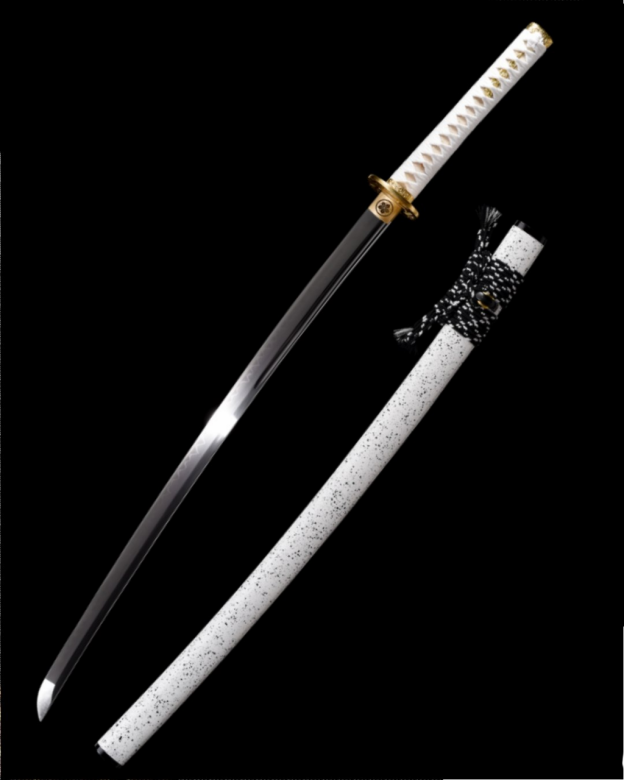
Throughout history, swordsmiths have made katanas in all sorts of lengths. While the standard length was between 60 and 80 cm, shorter versions were definitely made. These were often custom orders made for a particular warrior.
Let’s say a samurai was small in stature – he might commission a shorter, lighter katana for better balance and maneuverability. Similarly, fighting in confined spaces like inside a castle or a dense forest would make a shorter blade a lot more practical than a longer one. These “short katanas” are often referred to as ko-katana, but they’re still technically katanas as long as their blade length meets the minimum requirement.
Historical records show us a tradition of customizing blade length, with swordsmiths creating bespoke swords for their clients. So there may not be a single “shortest katana” to name and claim, but rather a range of shorter katanas, each made for a specific purpose and client.
Katana vs. Nihonto: A Matter of DistinctionTo get to the heart of what makes traditional Japanese swords tick, it’s absolutely vital to understand the difference between “katana” and “nihonto.” Nihonto is a pretty broad term that covers pretty much all traditionally made Japanese swords – think tachi, katana, wakizashi, and tanto, for example. A katana is just one type of nihonto.
This little bit of info is really crucial, because it all helps to explain why a wakizashi is not just a short katana – they’re both nihonto, but totally different beasts when it comes to design, length and historical use. And that classification system? It’s the result of centuries of Japanese swordsmithing tradition and martial culture.
Modern Takes on the Classics
These days you’ll still find swordsmiths churning out katanas, including short versions. These get made for martial arts people, collectors, or just because you really like the look of one. Various styles of martial arts like Kenjutsu and Iaido mean a practitioner’s height and arm length usually determines the ideal blade length for training. This results in many modern swordsmiths producing katanas with blades as short as 60 or 65 cm – which is just a katana, cut down to size for the user, not a completely different class of sword.
Collectors and enthusiasts can get their hands on shorter replicas, which are often a more manageable and affordable way to own something from samurai history. These reproductions can be quite common in lengths right around the 60 cm mark, which is the lowest mark you can go under before a sword isn’t considered a katana.
Just How Short Can A Katana Be?
After all that, we can safely say there isn’t actually a single “shortest katana” in the way people often think of it. Any truly short katanas were probably custom-made with a blade length just over the 60 cm threshold that makes them not a wakizashi.
In the real world, modern katanas tend to be around the 60-65 cm mark. These get made to accommodate people training in martial arts who might be a bit on the shorter side, or who just prefer a more agile weapon for training. While you can find shorter blades out there, technically they’re probably wakizashis.
A genuine katana has a full tang combined with properly forged steel, a visible hamon (temper line) and sturdy construction. Whether it’s long or short, all these elements define the quality and authenticity of the blade. It’s clear that the katana has a lasting grip on people’s imagination, thanks to its status as a masterfully crafted symbol of cultural heritage.
Take Your Knowledge Further
If you want to learn more about the incredible history of Japanese swords, here are a few resources you might like:
- Books:The Book of Five Ringsby Miyamoto Musashi is a great read on the samurai mindset, while The Connoisseur’s Book of Japanese Swords by Kokan Nagayama is a deep dive into the blades themselves.
- Websites:The Nihonto Message Board and the Japanese Sword Society of the United States (JSSUS) are both online communities that are just as great for collectors and enthusiasts as they are for experts.
- Museums:The Japanese Sword Museum in Tokyo and the Samurai Museum in Berlin have some truly incredible collections of these magnificent weapons and the history behind them.
Read Also: make1m.com
Keep an eye for more latest news & updates on Wellhealth Organic!