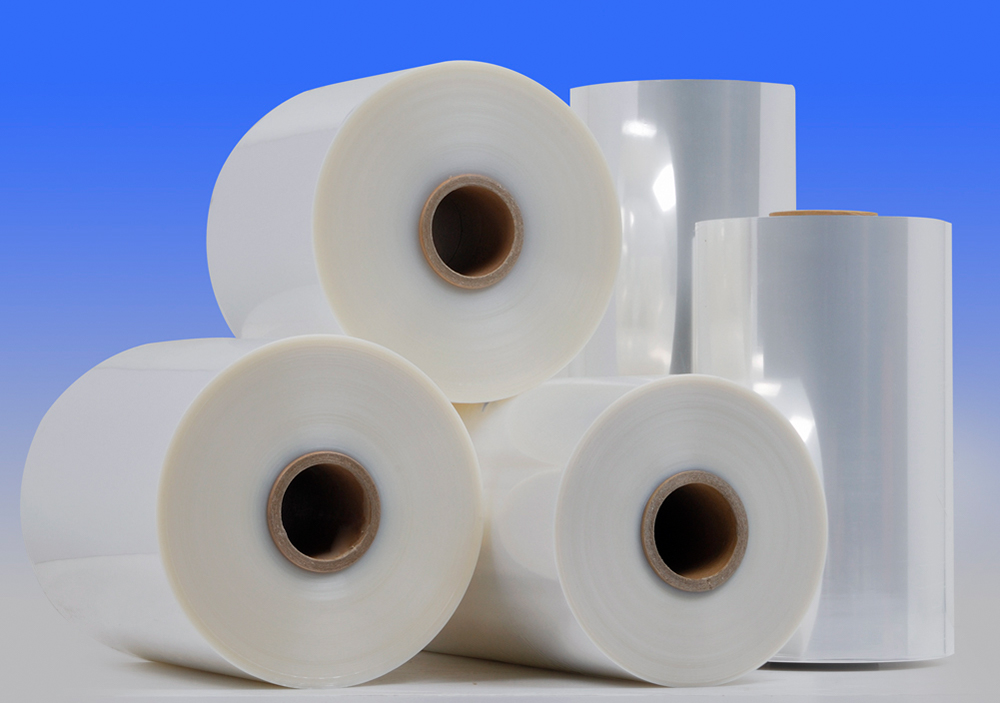
Improving Patient Safety with Anti-Fog BOPP Film: A Game-Changer for Sterile Medical Packaging and Clear Visual Communication in Hospitals
Healthcare prioritizes patient safety in sterile packaging and visual communication methods. As hospitals grow more technologically advanced and infection-conscious, even simple medical packaging and labeling can save lives. Bopp Anti Fog Film quietly improved healthcare safety standards.
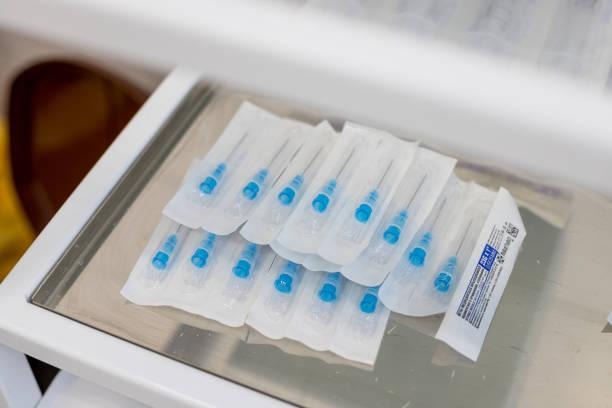
Hospital sterile medical packaging, labeling, and protective covers require transparent, durable, and moisture-resistant anti-fog BOPP film. The film maintains sterility and cleanliness while remaining crystal clear under various humidity levels, ensuring accurate reading of labels, barcodes, and crucial instructions. This achievement combines materials science and medical safety, as clinical settings require precision and cleanliness.
In sterile medical packaging, clear labeling, and visual communication, anti-fog BOPP film increases patient safety. It discusses its science, clinical applications, and why it’s a game-changer in medical logistics and healthcare.
Understanding BOPP Anti-Fog Film
Strong, clear, and moisture-resistant BOPP film is made by stretching polypropylene film in two perpendicular directions. Anti-fog chemicals prevent condensation from forming on their surface.
Tiny drops of moisture inside or outside a sealed box might cause film haziness or optical distortion. Fog can hide medical labels, dosing instructions, and sterilization signs. Anti-fog BOPP film evenly distributes water molecules to create a transparent layer, rather than droplets, ensuring optimal visibility.
Clarity improves operating precision and safety. A nurse reading instructions through a fogged-over sterile barrier or a surgeon using clear packaging during surgery needs transparency. Therefore, anti-fog BOPP film enhances healthcare safety and efficiency to some extent, but significantly.
Science of Safety and Clarity
Surface treatments and hydrophilic chemicals make BOPP film anti-fog. Chemicals attract and uniformly distribute water across the film. Even in humid or temperature-changing conditions, this thin water layer is transparent.
Many hospitals store sterilized devices in temperature-controlled areas or transfer them, which can cause condensation to form on the devices. The anti-fog technology keeps expiration dates, sterilization status, and product numbers.
BOPP film with anti-fog technology fights microbes and retains optical transparency. Its non-porous architecture prevents bacteria and airborne contaminants from spreading. Anti-fog performance and hygienic integrity make this material safer for medical use, reducing the risk of misreading or mishandling fogged products.
Sterile Medical Packaging Enhancements
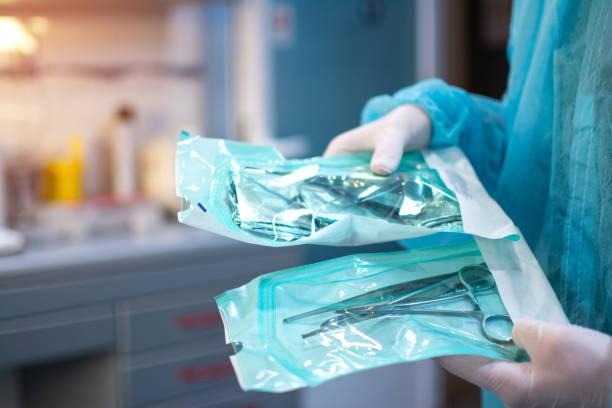
Anti-fog BOPP film is used in sterile medical packaging. Hospitals store surgical equipment, syringes, wound dressings, and diagnostic kits in sterile packaging. Compromised clarity or barrier performance puts patients at risk.
Even amid changing temperatures and humidity, anti-fog BOPP film maintains visibility of sterile materials. This is useful because autoclaving, ethylene oxide treatment, and gamma irradiation cause condensation in sealed containers.
Clear anti-fog. Healthcare workers may identify and inspect instruments without opening the packaging with BOPP film, reducing contamination. Instead of labels, transparent packaging enables personnel to identify products more easily, thereby improving inventory management.
The moisture resistance keeps the contents sterile. Film shields medical instruments and medications from oxygen, water vapor, and other environmental contaminants. This extends shelf life and reduces hospital waste, maintaining healthcare sustainability.
Enhance Labeling and Visual Communication
Hospital labeling and signs use anti-fog BOPP film beyond packaging. Prescription, device, storage, and patient-identifying labels are discreet. However, condensation on labels or protective coatings can distort or fade characters, generating hazardous misinterpretations.
BOPP film with anti-fog technology keeps printed information legible at all times. Medication vials in refrigerated units, sterilized trays in humid sterilization rooms, and operating room medical equipment labels are clearly readable due to the anti-fog surface.
Operating rooms, intensive care units, and diagnostic labs need instructional signs. Humidifiers, sterilizers, and cooling systems regulate the temperature in these rooms. Anti-fog BOPP film for laminated visual guides and information panels keeps hospitals informed of safety protocols, procedures, and emergency instructions.
The film prevents smearing and fingerprints, enhancing hygiene. BOPP film is smooth, clean, and easily sanitized, making it ideal for sterile and semi-sterile medical settings. Standard materials collect dust and facilitate the growth of germs in scratches.
Supporting Hygiene and Infection Control
Hospital safety depends on infection control. Anti-fog BOPP film prevents infection and permits touchless visual inspection of medical instruments. Clear packaging reduces handling by showing labels, barcodes, and sterilization indicators to healthcare staff.
Visibility reduces cross-contamination, especially in operating rooms with sterile fields. Since warm packages fog when they come into contact with cooler air, the anti-fog surface prevents optical distortion, allowing medical staff to quickly and accurately examine the contents without compromising sterility.
Anti-fog BOPP film is non-reactive and can endure heat, radiation, and chemical sterilants. Pressurized reliability enhances hospital safety and prevents packaging failures that could compromise patient health and well-being.
Healthcare Cost-Efficiency and Sustainability
Hospitals must use sustainable, cost-effective materials while prioritizing patient safety. BOPP anti-fog film does both. It employs less material than standard packaging substrates and is recyclable, lightweight, and protective.
Film durability lowers layers and overpackaging, reducing plastic waste and transportation costs. Maintaining clarity and integrity during long-term storage prevents condensation-related product rejections and the need for relabeling.
Anti-fog BOPP film extends shelf life and maintains optical clarity without the need for coatings or laminations, thereby saving material and operating costs. Hospital sustainability targets are met while patient safety is improved.
Production runs more smoothly since the film’s anti-fog layer decreases printing and laminating faults. Due to manufacturing, storage, and usage efficiency, hospitals save money without compromising safety or quality.
Applications across hospital departments
Anti-fog BOPP film can be used in numerous healthcare departments with distinct challenges and settings. Sterile equipment, drapes, and sutures are packaged in surgical suites. When condensation occurs, pharmacies mark intravenous bags, vials, and chilled medications.
X-ray report and laboratory kit labels, as well as covering sheets, in diagnostic and imaging departments are clean with anti-fog BOPP film. Visual indications, laminated guidelines, and identity badges can be used to monitor and communicate in humid critical care units and isolation rooms due to the film’s clarity.
These uses demonstrate the film’s versatility as a packaging material and a component of the healthcare ecosystem. Material innovation consistently improves patient outcomes across contexts.
How Anti-Fog BOPP Film Increases Efficiency
Precision and speed are crucial to healthcare workflows. Seconds count when preparing surgical instruments or administering medication. Anti-fog BOPP film accelerates and enhances safety by eliminating the need for label verification and packaging replacement.
Sterile trays covered in anti-fog film can be easily seen and identified without needing to be unsealed, thereby speeding up pre-surgery preparations. Despite condensation, pharmacy personnel can quickly read the labels of refrigerated pharmaceuticals. Despite high-humidity sterilization zones, maintenance workers may rely on clear instructional signage laminated with anti-fog BOPP film for enhanced visibility.
Smooth clarity prevents medical disasters from human error and misinterpretation. Barcode scanners and RFID readers may read the film’s translucent surface for inventory tracking and digital integration.
Anti-fog BOPP film enhances visibility, reliability, and efficiency in fast-paced, precision-driven healthcare environments.
Prospects: Redefining Smart Medical Packaging
Advanced healthcare technology will require anti-fog BOPP film for innovative medical packaging. Sensors, QR codes, and data chips will detect sterilization, expiration, and environmental exposure in real time in next-generation packaging. Such systems require transparency and optical clarity.
The anti-fog BOPP film’s smooth surface and visual transparency enable the inclusion of innovative technology without impairing digital reading or signal transmission. Interactive labels allow healthcare professionals to scan and examine information without opening the package, thereby reducing the risk of contamination.
Transparent and trustworthy packaging will become increasingly critical as healthcare continues to automate and adopt AI-driven logistics. Anti-fog BOPP film improves visual and digital communication, ensuring medical safety and efficiency.
Clarity Matters for Humanity
All technology advances strive to improve patient care. Transparent anti-fog BOPP film shows trust, confidence, and precision. Life-threatening errors are avoided when nurses can understand sterile package dosing instructions and surgeons can locate the correct instrument.
As people trust medical systems with their lives, anti-fog BOPP film silently stands firm. This movie indirectly promotes the value of life by emphasizing the importance of hygiene and effective communication.
The medical system should be transparent, reliable, and attentive to patients.
Conclusion
Without being seen, anti-fog BOPP film and BOPP Glossy Film preserve patient safety and hospital efficiency. Its condensation resistance, cleanliness, and clarity make it vital for sterile medical packaging, labeling, and visual communication.
It prevents device infection and misconstrued instructions across healthcare. Creative materials science can enhance patient outcomes as hospitals strive to balance safety, sustainability, and efficiency, as demonstrated by anti-fog BOPP film.
Anti-fog BOPP film quietly altered how hospitals protect, communicate, and heal by merging clarity, safety, technology, hygiene, and material innovation with human care.
Keep an eye for more latest news & updates on Well Health Organic!