Understanding Alcohol Use Disorder: Symptoms, Causes, and Effective Solutions
Every year, more than 14 million adults in the US face the grip of alcohol use disorder. That’s a huge number of people whose lives spin out of control because of alcohol. Alcohol use disorder, or AUD, is a real medical condition, not just a bad habit or moral failing. It changes how your brain works and affects daily life in big ways. In this article, we’ll break down the symptoms you might spot, the causes behind it, and solid paths to recovery. You deserve to know the facts so you can spot it early and find help.
Recognizing the Signs: Core Symptoms of Alcohol Use Disorder
Spotting alcohol addiction early can save lives. Doctors use tools like the DSM-5 to diagnose it based on patterns over at least a year. These signs show up in behaviors, body changes, and life fallout. If you see several of them, it’s time to dig deeper.
Compulsive Drinking and Loss of Control
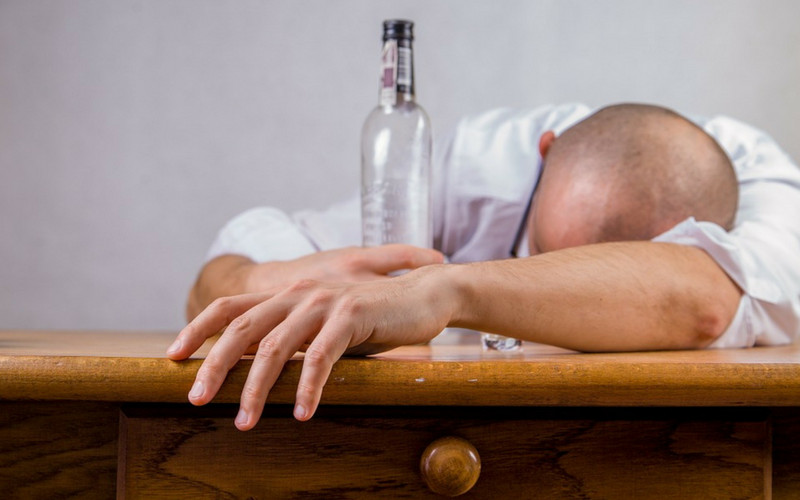
You start with one drink, but it turns into many, even when you swear you’ll stop. That’s the core of compulsive drinking in AUD. People often try to cut back or quit, but fail time after time. They might hide how much they drink or feel a strong pull toward alcohol all day.
This loss of control feels like alcohol calls the shots. For example, you plan a quiet night, but end up at the bar anyway. It builds frustration and shame, yet the cycle repeats. Watch for failed promises to yourself about drinking less.
Physical Dependence and Withdrawal Manifestations
Your body gets used to alcohol, so you need more to feel the buzz. That’s tolerance at work. When you skip a drink, withdrawal hits hard—think shakes, sweat, fast heartbeat, or even seizures in bad cases.
These symptoms prove dependence is real. Nausea, anxiety, or trouble sleeping pop up just hours after your last sip. It’s your brain and nerves crying out for balance. Ignoring this leads to worse health risks, like liver damage over time.
Negative Life Consequences Related to Alcohol Use
Alcohol starts wrecking jobs, friendships, and safety. You might miss work, get fired, or fight with family because of it. Relationships suffer as trust breaks down from lies or outbursts.
Driving drunk or blacking out in risky spots is common too. Legal troubles, like DUIs, add stress. Health takes a hit with issues like high blood pressure or injuries. These red flags scream that AUD is stealing control from everyday joys.
Unpacking the Complexity: Root Causes and Risk Factors for AUD
AUD doesn’t just happen overnight. It’s a mix of genes, surroundings, and inner struggles. No one cause fits all, but knowing these helps you understand why it sticks. Let’s look closer at what fuels it.
Genetic Predisposition and Biological Factors
Genes play a big role— if family members had AUD, your odds rise by 50%. Your brain’s reward system gets hooked on alcohol’s dopamine rush. Changes in areas like the prefrontal cortex make it hard to say no.
Science shows certain traits, like low response to alcohol at first, up the risk. It’s like your body craves more to chase that high. This biology isn’t destiny, but it explains why some fight harder against it.
Environmental Influences and Social Learning
Your world shapes how you view drinking. Friends who party hard pull you in, or easy access at stores tempt you. Growing up around heavy drinkers teaches it’s normal.
Stress from work or tough neighborhoods adds fuel. Ads and media glamorize booze, making it seem like the fix for boredom. Early sips as a teen wire your brain young, raising long-term risks. Break these patterns by choosing sober circles.
Co-occurring Mental Health Conditions (Dual Diagnosis)
Many with AUD also battle depression, anxiety, or trauma like PTSD. About half do, in fact. They might drink to numb pain, but it makes things worse in a loop.
This self-medication hides the real issue. For instance, anxiety spikes without alcohol, so you reach for a bottle. Treating both at once is key—ignoring one lets the other thrive. Talk therapy uncovers these links.
Navigating the Recovery Spectrum: Effective Treatment Options
Recovery from AUD is a journey with many roads. It’s not a quick fix, but options work when you commit. From meds to talks, here’s what helps most people stay sober.
Pharmacological Interventions: Medications That Support Sobriety
Pills can ease the pull of alcohol. Naltrexone blocks the good feelings from drinking, cutting cravings. Acamprosate helps with withdrawal by steadying brain chemicals. Disulfiram makes you sick if you drink, acting as a strong deterrent.
Doctors follow guidelines from groups like the NIH to prescribe these. They pair well with therapy, boosting success rates by 20-30%. Always check with a pro before starting—side effects vary.
Behavioral Therapies and Counseling Approaches
Therapy rewires how you think about alcohol. Cognitive Behavioral Therapy, or CBT, spots triggers and builds coping skills. You learn to swap a drink for a walk or call a friend.
Motivational Interviewing boosts your drive to change by exploring your reasons. Contingency Management rewards clean tests with prizes, like gift cards. These methods cut relapse by teaching real-life tools. Sessions last weeks to months, tailored to you.
Support Groups and Peer-Based Recovery Networks
Groups like Alcoholics Anonymous offer free meetings where you share stories. AA’s 12 steps focus on spiritual growth and accountability. SMART Recovery uses science-based tools, like coping cards, without the spiritual angle.
Both build community—loneliness fades as you connect. Studies show attendees stay sober longer, up to twice as much. Pick what fits your style; some try both.
Building a Foundation for Lasting Change: Essential Coping Strategies
Once treatment starts, daily habits keep you on track. These tips help you build strength against slips. They’re simple steps for you or someone you love.
Developing Healthy Relapse Prevention Plans
Know your weak spots, like parties or stress days. List them and plan ahead—maybe skip the event or have a sober buddy. Set up quick calls to a sponsor or hotline if urges hit.
One guy avoided relapse by journaling triggers daily. It helped him see patterns and choose better. Track wins too; small victories build confidence.
Lifestyle Adjustments: Nutrition, Sleep, and Physical Activity
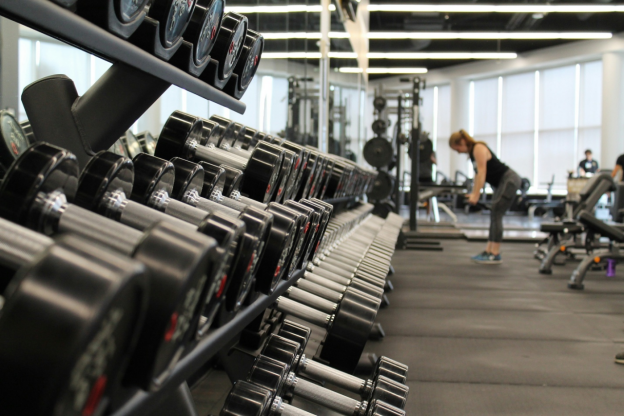
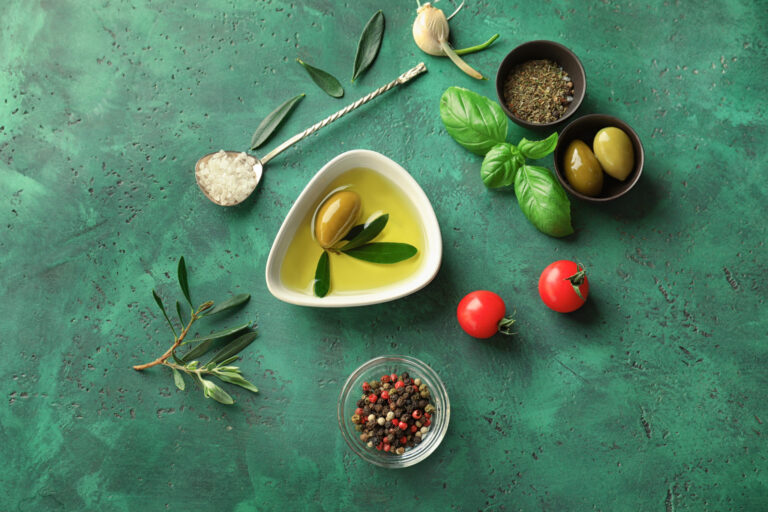
Fuel your body right—eat veggies, proteins, and stay hydrated to fight fatigue. Good sleep, seven to nine hours, clears your mind from cravings. Exercise, like jogging or yoga, releases feel-good chemicals without booze.
These changes mend your body from alcohol’s toll. Start small: a 20-minute walk daily. Over time, they boost mood and energy for a fuller life.
Seeking Professional Help: When and How to Take the First Step
If symptoms ring true, don’t wait. See your doctor for a check-up; they can refer you to specialists. Call lines like SAMHSA at 1-800-662-HELP for free advice.
Therapists or clinics offer private starts. Insurance often covers it—ask about options. The first chat feels scary, but it’s the door to freedom.
Conclusion: Hope, Healing, and Moving Forward
Alcohol use disorder touches millions, but it’s treatable with the right steps. We’ve covered symptoms like loss of control and withdrawal, causes from genes to stress, and solutions like meds, therapy, and groups. Early action and ongoing support make all the difference.
Recovery isn’t easy, but it’s worth it. You can reclaim your life, mend bonds, and find joy without alcohol. If this hits home, reach out today—help is there, and a brighter path awaits. Take that step now.
Stay in touch to get more updates & news on Well Health Organic!