What Are Western Chinks? A Complete Guide for Riders
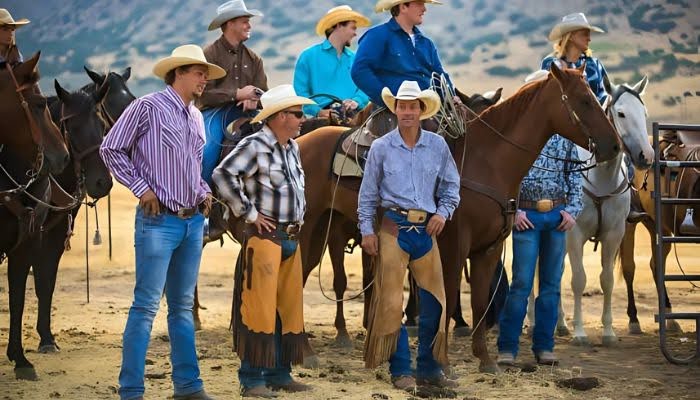
Chinks, often referred to as Chinks Western, are a specific type of leather leg gear worn by riders, ranch hands, and rodeo competitors. Like leather chaps, they are designed to protect the rider’s legs from brush, thorns, weather and saddle friction.
But here’s the key difference Chinks Western are shorter than traditional leather chaps, typically ending just below the knee or mid-calf. They’re often fastened with leather ties or buckles and feature fringes that add flair and movement. These versatile garments are highly favored in warmer climates, such as the American Southwest, because they provide protection without the full leg coverage—and heat—of full-length chaps.
The History Behind Chinks
To understand chinks, you need to go back to the Old West. Cowboys, vaqueros, and ranchers needed practical protection from the rugged environment. Full-length leather chaps were the original solution, but as cowboys worked through hotter and brushier regions, the need for lighter, cooler leg protection gave rise to the chink.
Chinkaderos” was a term used in Mexico and Texas to describe this shortened style. Over time, the term was shortened to chinks. They became a popular choice for working cowboys who needed something durable, breathable, and easy to move in.
Today, western chinks are a proud tradition in ranch life and western culture, combining style, functionality, and heritage.
Why Riders Choose Western Chinks
Western chinks have become a top choice among riders for their unique combination of protection, comfort, and classic western style. Unlike full-length chaps, chinks offer greater breathability and mobility while still guarding the rider’s thighs and knees against brush, livestock, and saddle friction. Designed with signature fringe and concho details, they provide both function and flair — perfect for rodeo events, trail riding, and ranch work.
So, why do so many riders go for chinks over traditional chaps? Here are the main benefits:
Comfort in Hot Weather
Chinks are designed with shorter legs and an open-back design, allowing much more airflow compared to full chaps. This makes them especially popular in hot and dry climates like Arizona, Texas, and New Mexico. Riders don’t overheat while working in the sun, making long hours in the saddle far more bearable.
Greater Mobility
Since chinks don’t cover the lower legs, they provide freedom of movement for tasks like bending, squatting, or getting on and off a horse frequently. This flexibility is a big advantage during groundwork, training sessions, or ranch chores that require a full range of motion.
Stylish Appearance
One of the standout features of western chinks is their decorative flair. Many styles include hand-tooled leather, long fringe, silver conchos, and unique color accents. Riders who want both functionality and visual appeal often choose chinks as a bold statement of western heritage and personal style.
Easy to Put On and Remove
Chinks typically use adjustable buckles, snaps, or tie-on systems, which makes them faster and easier to put on and take off compared to full chaps that may have zippers or need precise leg fitting. This convenience is especially appreciated by working riders with a tight schedule.
Custom Fit Options
Because chinks are secured around the upper thigh and waist, they offer a more forgiving fit. You don’t need to worry about the inseam or boot length as you do with full chaps. This makes it easier to find a pair that fits well and feels comfortable, even if you’re buying online or without a tailor.
Types of Chinks and Their Features
Curious about the different types of chinks and what makes each style unique? This guide breaks down the most popular chink designs, their features, and how they differ from traditional chaps. From classic leather chinks with fringe to modern, custom-fit styles used in ranch work and rodeo events, you’ll learn how to choose the right pair based on comfort, protection, and purpose. Whether you’re a working cowboy, rider, or western wear fan, understanding chink styles will help you find the ideal fit for function and fashion.
There are several types of western chinks, each offering unique features for different riding needs:
Ranch Chinks
These chinks are built with functionality and durability as the top priority. They’re usually crafted from rugged materials like latigo leather or roughout hide, which can stand up to harsh weather, brush, barbed wire, and saddle wear. Ranch chinks usually have little to no decoration, focusing instead on maximum leg protection and long-lasting wear. They often feature thicker fringe to help shed debris and repel dirt. Ideal for working cowboys and ranch hands who need reliable gear all day long.
Show Chinks
These chinks are designed to stand out in the arena or show ring. They’re often highly decorative, featuring hand-tooled leather, floral or basketweave patterns, colorful fringe, and silver or brass conchos. The craftsmanship is usually more detailed, and the fit is often sleeker. While still functional, their primary appeal is style and presentation — making them a favorite for rodeo riders, western horse shows, and public performances.
Custom Leather Chinks
Custom chinks are made to fit your exact body measurements and can be customized in terms of leather type, color, tooling pattern, fringe length, and even branding elements like initials, ranch logos, or symbols. These are ideal for riders who want a perfect fit and a unique, personal style. Custom chinks often combine both function and fashion, making them a popular choice among serious riders, ranch owners, or anyone investing in long-term gear.
How to Choose the Right Pair of Chinks
Choosing the right pair of chinks can make all the difference in your comfort, performance, and western style. Whether you’re riding in the arena, working on the ranch, or dressing for a western event, it’s important to find chinks that offer the right fit, material, and functionality. In this guide, we’ll walk you through everything you need to know — from sizing and leather types to fringe length, belt design, and craftsmanship. Discover how to select the perfect pair of chinks that match your riding needs and personal style.
Consider Your Riding Style
- Ranch Work:
If you’re doing daily chores, cattle work, or rough riding, go for heavy-duty leather chinks made from latigo or roughout leather. They typically come with simple fastenings that are quick to use and don’t get in your way during physical work. Durability and function matter more than style here. - Trail Riding:
For long rides across varied terrain, comfort is key. Choose lightweight chinks with soft leather or suede, and make sure they have secure buckles or snaps that won’t loosen with movement. Breathability and ease of wear are crucial for extended periods in the saddle. - Showing/Competition:
If you’re riding in events or participating in a rodeo, go for chinks that are decorative and stylish. Look for ones with hand-tooled designs, silver conchos, detailed fringe, and custom touches. A polished look will complement your performance and make you stand out in the arena.
Check the Fit
They should fit snugly around your waist and thighs without being too tight. The fringe should fall a few inches below the knee.
Proper fit ensures both comfort and functionality:
- Waist & Thigh Fit:
Chinks should sit securely around your waist and upper thighs, snug but not tight. They should stay in place while riding, bending, or walking. - Fringe Length:
The fringe should fall a few inches below the knee — long enough to provide coverage and style, but not so long that it gets tangled or caught while riding. - Adjustability:
Many chinks offer adjustable straps or buckles — ideal for layering over jeans or varying the fit as needed.
Material Matters
The type of leather used affects the durability, look, and cost of your chinks:
- Full-Grain Leather:
The most durable and high-quality option. It’s tough, long-lasting, and develops a rich patina over time. Ideal for working riders. - Split Leather:
A more affordable alternative, made from the inner layer of the hide. Slightly less durable but still functional for light to moderate use. - Suede:
Offers a softer and more stylish look, often used in fashion or show chinks. However, suede tends to wear out faster and is less water-resistant.
Fastening Mechanism
How your chinks fasten affects both fit and ease of use:
- Thigh Straps:
Most chinks use three adjustable thigh straps to wrap around your leg securely. These should be easy to tighten or loosen based on your activity level. - Waist Closure:
The waist typically fastens like a belt with a buckle or tie string. Make sure it’s sturdy, secure, and comfortable for long wear. - Quick-Release Options:
Some modern chinks include snap closures or Velcro straps for faster wear and removal — great for riders who need to gear up quickly.
Top Styles and Customization Options
Discover the top styles and customization options available for modern chaps and western gear. From classic leather and suede finishes to bold fringe designs and hand-tooled patterns, today’s chaps offer something for every rider’s taste. Personalize your gear with options like custom stitching, conchos, color combinations, initials, and fit adjustments. Whether you’re competing in rodeos, riding trails, or making a style statement, customized Leather Chaps give you the perfect blend of performance, comfort and individuality.
The best thing about chinks? They’re highly customizable! Whether you’re buying online or from a saddle shop, there are dozens of ways to make your chinks truly your own.
Customization Options:
- Tooling: Floral, basket weave, geometric
- Color: Tan, black, chocolate, rust, or two-tone
- Fringe: Dyed to contrast or match the body
- Yokes: Shaped top pieces with decorative stitching
- Conchos: Decorative silver buttons
- Branding: Personal ranch brands, initials, or logos
Whether you’re into flashy rodeo flair or simple ranch practicality, there’s a chinks western style to match.
Caring for Your Leather Chaps and Chinks
Proper care is essential to keep your Leather Chaps and chinks in top condition, whether you’re riding daily or wearing them for special rodeo events. In this guide, we share practical tips for cleaning, conditioning, and storing your leather gear to ensure long-lasting durability and performance.
Here’s how to keep your chinks western and leather chaps looking and performing their best:
Clean Regularly: Dust and sweat can dry out leather. Wipe down with a damp cloth and condition with leather oil monthly.
Avoid Water Damage: Leather doesn’t love rain. If they get soaked, air-dry slowly—never in direct sun or near a heater.
Deep Clean Yearly: Use saddle soap or a gentle leather cleaner once a year. Avoid harsh chemicals.
Repair and Restore: Check for broken straps or worn fringe. Small repairs can often be done at home, but serious damage might need a leatherworker.
Final Thoughts
Chinks are more than just a practical piece of gear—they’re a symbol of western heritage, cowboy spirit, and functional fashion. Whether you’re riding trails, working cattle, or entering a rodeo ring, the right pair of chinks western can give you comfort, mobility, and confidence in the saddle.
So, are chinks right for you?
If you value cooler rides, easier movement, and a bit of western flair, then yes—western chinks might be the perfect fit. They’re a timeless alternative to traditional leather chaps, ideal for modern cowboys and cowgirls who want to ride in style and comfort.
FAQs
Are chinks better than full-length leather chaps?
It depends. Chinks are better for hot climates and light brush, while full-length chaps provide more coverage in rough terrain.
Can I ride in chinks during competitions?
Yes! Many rodeo riders and show competitors wear chinks, especially in ranch horse and working cowhorse events.
Are chinks suitable for winter riding?
Not really. Chinks leave your lower legs exposed. For cold-weather riding, traditional leather chaps offer better insulation.
How long do chinks last?
With regular care, high-quality chinks Western style can last 5–10 years or longer.
Can beginners wear chinks?
Absolutely. They’re easier to put on and cooler to wear, making them ideal for new riders.