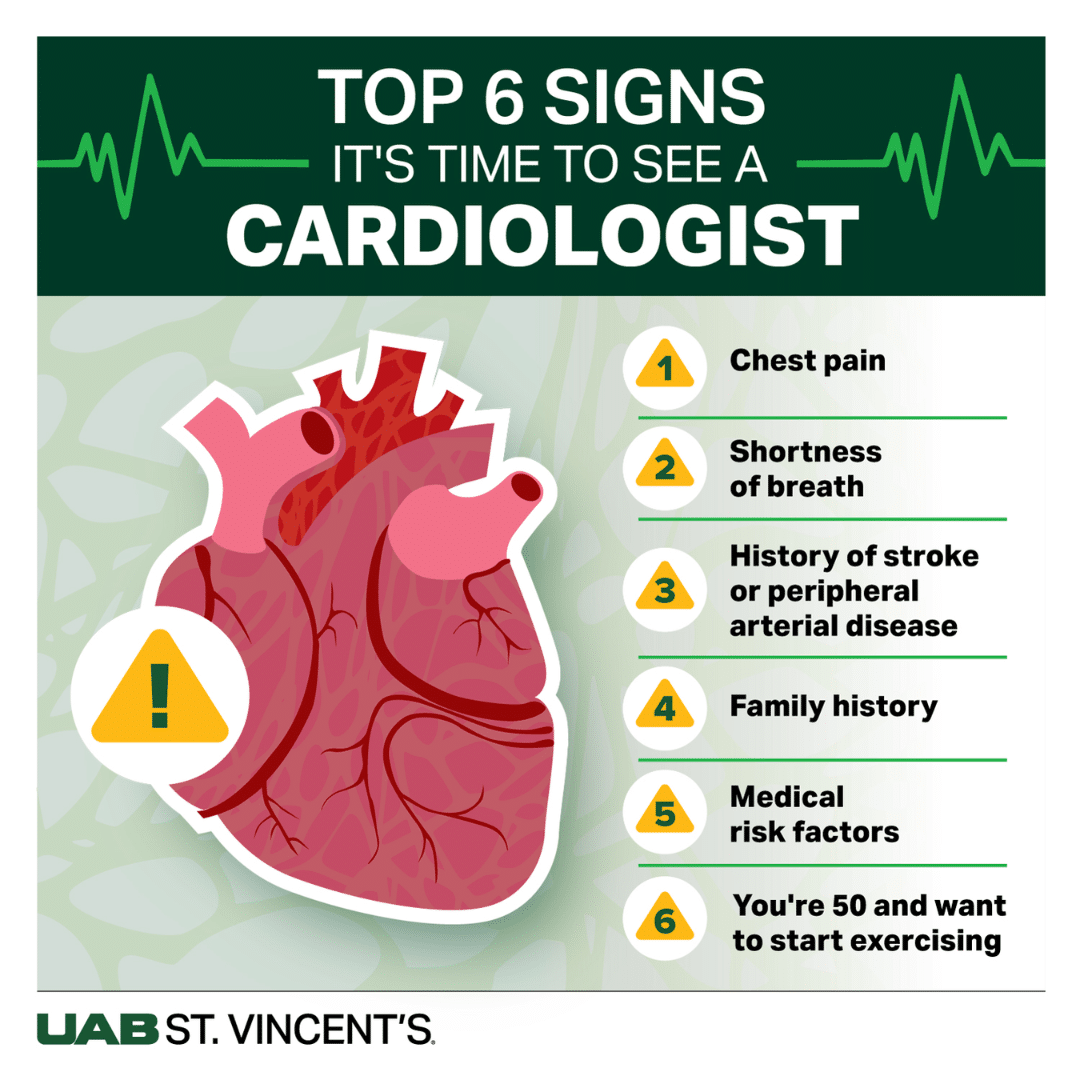
When Should You See a Heart Specialist? Symptoms and Risk Factors to Know
Chest discomfort after walking up a flight of stairs, a racing heartbeat while sitting quietly or breathlessness during activities that previously felt manageable can raise understandable concerns about heart health.
These symptoms do not automatically mean that a person has heart disease. Chest discomfort, breathlessness, palpitations and dizziness can have cardiac and non-cardiac causes. However, unexplained, recurring or worsening symptoms warrant medical attention, particularly when cardiovascular risk factors are also present.
When May a Routine Cardiology Consultation Be Appropriate?
A scheduled consultation may be worth discussing when symptoms are recurring, unexplained or affecting everyday activities but there are no signs of an immediate medical emergency.
A heart specialist in Singapore can assess symptoms alongside a person’s medical history, family history and cardiovascular risk factors. Depending on the clinical findings, further cardiac investigations may then be considered.
Reasons for arranging an assessment can include:
- Recurring chest discomfort
- Breathlessness during usual activities
- Frequent or persistent palpitations
- Unexplained dizziness or light-headedness
- Reduced exercise tolerance
- Previous heart disease
- High blood pressure
- High cholesterol
- Diabetes
- Family history of cardiovascular disease
- Smoking history
- Concerns arising from a health screening
The presence of a risk factor does not necessarily mean that specialist care is required immediately. A GP or primary care doctor can also assess cardiovascular risk and advise whether referral to a cardiologist is appropriate.
1. Unexplained Chest Discomfort
Chest discomfort is one of the symptoms commonly associated with heart conditions, but its cause is not always cardiac.
People may describe the sensation as pressure, squeezing, heaviness, tightness, burning or pain. Problems involving the muscles, lungs and digestive system can also cause discomfort in the chest.
Certain patterns deserve particular attention. Chest pressure or discomfort that occurs during physical activity and settles with rest may be associated with reduced blood flow to the heart. Recurring unexplained symptoms should therefore be assessed rather than attributed automatically to indigestion, muscle strain or stress.
A cardiologist may consider the pattern of symptoms, what triggers them, how long they last and whether they occur alongside breathlessness, sweating, nausea or dizziness.
Severe or persistent chest pain is different from a routine cardiology concern and may require emergency medical attention, particularly when accompanied by other warning signs.
2. Breathlessness That Is Unusual for You
Feeling breathless after strenuous activity is expected. Breathlessness becomes a concern when it occurs with activities that would not normally cause difficulty or when there is an unexplained decline in exercise tolerance.
Cardiovascular conditions associated with breathlessness can include heart failure, coronary artery disease, heart valve disorders and abnormal heart rhythms. Respiratory conditions, anaemia and other medical problems can also cause similar symptoms, so breathlessness cannot be diagnosed based on the symptom alone.
Consider seeking medical assessment if you notice:
- Breathlessness during ordinary daily activities
- A gradual decline in exercise tolerance
- Difficulty breathing when lying flat
- Waking during the night feeling short of breath
- Breathlessness accompanied by swelling around the ankles or legs
- Breathlessness occurring alongside palpitations or chest discomfort
A heart specialist may evaluate whether the symptoms appear cardiac in origin or whether another medical assessment is required.
Sudden severe breathlessness, particularly when accompanied by chest discomfort, fainting or cold sweating, should not be treated as a routine appointment issue.
3. Palpitations or an Irregular Heartbeat
Palpitations describe the sensation of being unusually aware of the heartbeat. A person may feel that the heart is racing, pounding, fluttering or skipping beats.
Palpitations can sometimes occur in association with stress, physical activity, alcohol, caffeine or certain medications. They may also occur with abnormal heart rhythms known as arrhythmias.
Occasional brief palpitations without other symptoms may not indicate a serious cardiac condition. Medical assessment becomes relevant when they:
- Occur repeatedly
- Last for prolonged periods
- Occur while resting
- Affect normal activities
- Are associated with chest discomfort
- Occur alongside breathlessness
- Cause dizziness or light-headedness
- Are associated with fainting or near-fainting
A cardiologist may ask about how frequently the episodes happen, how long they last and whether anything appears to trigger them.
Depending on the clinical situation, an electrocardiogram (ECG) or ambulatory rhythm monitoring may be considered to assess the heart’s electrical activity.
4. Dizziness, Light-Headedness or Fainting
Dizziness is common and has many possible causes, including dehydration, low blood pressure, medication effects and conditions unrelated to the heart.
Cardiac causes are also possible.
Certain abnormal heart rhythms can interfere with the heart’s ability to circulate blood effectively, which may contribute to light-headedness or fainting. Some structural heart conditions can also present with dizziness or loss of consciousness.
Medical evaluation is particularly relevant if dizziness:
- Occurs repeatedly without an obvious explanation
- Develops during physical activity
- Is accompanied by palpitations
- Occurs with chest pain or breathlessness
- Causes a person to faint
- Appears in someone with an existing heart condition
Fainting during exertion or fainting associated with chest discomfort, breathlessness or palpitations should receive prompt medical attention.
Cardiovascular Risk Factors Also Matter
Not everyone who needs cardiovascular assessment will have obvious symptoms.
High blood pressure, high cholesterol and diabetes can exist without noticeable warning signs, yet each is relevant to cardiovascular health. Singapore’s cardiovascular risk-screening framework includes assessment for hypertension, diabetes, high blood cholesterol and obesity.
Risk factors associated with coronary artery disease include:
High Blood Pressure
Persistently raised blood pressure places additional strain on the heart and blood vessels. Hypertension frequently causes no obvious symptoms, making blood-pressure measurement important as part of routine health assessment.
High Cholesterol
Elevated levels of certain blood lipids can contribute to fatty deposits within arteries. Cholesterol levels are measured through blood testing rather than symptoms.
Diabetes
Diabetes affects blood vessels and is associated with cardiovascular complications. Blood-glucose management therefore forms part of overall cardiovascular risk management.
Smoking
Smoking is associated with cardiovascular disease and can damage blood vessels. A smoking history remains relevant when a doctor assesses heart health.
Family History
A family history of cardiovascular disease may contribute to an individual’s overall risk assessment, particularly where heart conditions occurred at a relatively young age or an inherited cardiac condition has been identified.
Weight and Physical Activity
Body weight, physical activity and other lifestyle factors may also form part of cardiovascular risk assessment.
Someone with several cardiovascular risk factors may benefit from discussing their overall risk with a doctor even when they feel well.
Should You See a Cardiologist If You Have No Symptoms?
The absence of symptoms does not necessarily provide a complete picture of cardiovascular health.
Conditions such as hypertension, diabetes and high cholesterol can be present without causing obvious symptoms. This is why cardiovascular risk assessment can be useful even for people who feel generally well.
However, seeing a cardiologist is not automatically necessary for every person without symptoms. Primary care screening can identify common cardiovascular risk factors, after which referral or cardiac investigations can be considered according to the findings.
A cardiology consultation may be discussed when there is:
- A previous diagnosis of cardiovascular disease
- An abnormal finding during medical screening
- Difficulty controlling cardiovascular risk factors
- A relevant family history of heart disease
- A suspected inherited cardiac condition
- A recommendation for specialist review from another doctor
The appropriate pathway depends on the individual’s medical history and clinical findings.
What Happens During a Heart Specialist Consultation?
A cardiology assessment generally starts with understanding why the patient has sought medical attention.
The cardiologist may ask about:
- Current symptoms
- When symptoms started
- Activities that trigger or relieve them
- Previous medical conditions
- Current medications
- Blood pressure
- Cholesterol and blood-glucose history
- Smoking and lifestyle factors
- Previous cardiac investigations
- Cardiovascular conditions within the family
A physical examination may also be performed.
Depending on the symptoms and findings, cardiac investigations may include an ECG, echocardiogram, ambulatory heart-rhythm monitoring, exercise testing or other investigations suited to the clinical question.
Not every patient requires the same tests. The investigations selected should depend on the symptoms, medical history, risk factors and findings from the consultation.
When Is It an Emergency Rather Than a Routine Cardiologist Appointment?
Some cardiovascular symptoms should not wait for a scheduled appointment with a heart specialist.
In Singapore, call 995 for an ambulance when severe ongoing chest pain or other symptoms suggest a possible cardiac emergency.
Warning signs can include:
- Sudden or severe persistent chest pain, pressure or tightness
- Chest discomfort spreading towards the arm, jaw, neck or back
- Chest pain associated with breathlessness
- Chest discomfort accompanied by cold sweating or nausea
- Collapse or loss of consciousness
- Severe breathlessness
- Palpitations associated with severe chest pain, breathlessness or fainting
A heart attack can occur when blood flow through a coronary artery becomes suddenly blocked. Symptoms can vary between individuals and do not always follow the same pattern.
For suspected heart attack or cardiac arrest, emergency medical care takes priority over travelling to a cardiology clinic for a routine assessment. A person experiencing a suspected cardiac emergency should also avoid driving themselves to hospital.
Preparing for a Cardiology Appointment
For non-emergency symptoms, keeping a brief record before the consultation can help describe what has been happening.
Useful details include:
- What the symptom feels like
- When it occurs
- How long it lasts
- How frequently it happens
- Whether physical activity triggers it
- What makes it settle
- Whether other symptoms occur at the same time
- Current medications
- Previous blood-test or health-screening results
- Relevant family cardiovascular history
For palpitations, noting the approximate duration and whether the heartbeat feels fast, irregular or unusually forceful can also provide useful context.
Bring previous ECGs, cardiac imaging reports and relevant blood-test results when available. These can help the doctor understand previous findings and determine whether further evaluation is required.
Knowing when to see a heart specialist involves looking at both symptoms and cardiovascular risk factors.
Recurring chest discomfort, unexplained breathlessness, persistent palpitations, dizziness or reduced exercise tolerance may justify medical assessment, particularly when conditions such as hypertension, diabetes or high cholesterol, a smoking history, or a family history of cardiovascular disease are also present.
A routine consultation allows a doctor or cardiologist to assess these concerns in context and determine whether cardiac investigations are appropriate.
The distinction becomes particularly important when symptoms are severe or develop suddenly. Persistent severe chest pain, collapse, severe breathlessness or chest discomfort accompanied by sweating, nausea or pain spreading to the arm, neck or jaw should be treated as potential medical emergencies rather than reasons to wait for a routine heart specialist appointment.
Frequently Asked Questions
Can chest discomfort always be treated as a heart problem?
No. Chest discomfort can arise from cardiac and non-cardiac causes. However, unexplained or recurring chest discomfort should receive medical assessment, while severe or persistent symptoms with concerning features may require emergency care.
Should I see a heart specialist for palpitations?
Occasional palpitations can have several causes. Assessment may be useful when episodes recur, persist, interfere with activities or are accompanied by symptoms such as chest discomfort, breathlessness, dizziness or fainting.
Can breathlessness be related to the heart?
Yes. Certain heart conditions can cause breathlessness, although respiratory conditions and other medical problems can produce similar symptoms. An assessment can help determine the possible cause.
Do I need a cardiologist if I have high blood pressure or high cholesterol?
Not necessarily. These conditions are commonly assessed and managed in primary care. Specialist review may be considered according to the individual’s cardiovascular risk, response to management, symptoms and other medical findings.
When should dizziness be discussed with a heart specialist?
Recurring unexplained dizziness, dizziness during exertion, fainting, or dizziness associated with palpitations, chest discomfort or breathlessness warrants medical assessment. The appropriate specialist depends on the suspected cause.
This article is for general information only and should not replace medical advice from a qualified healthcare professional.