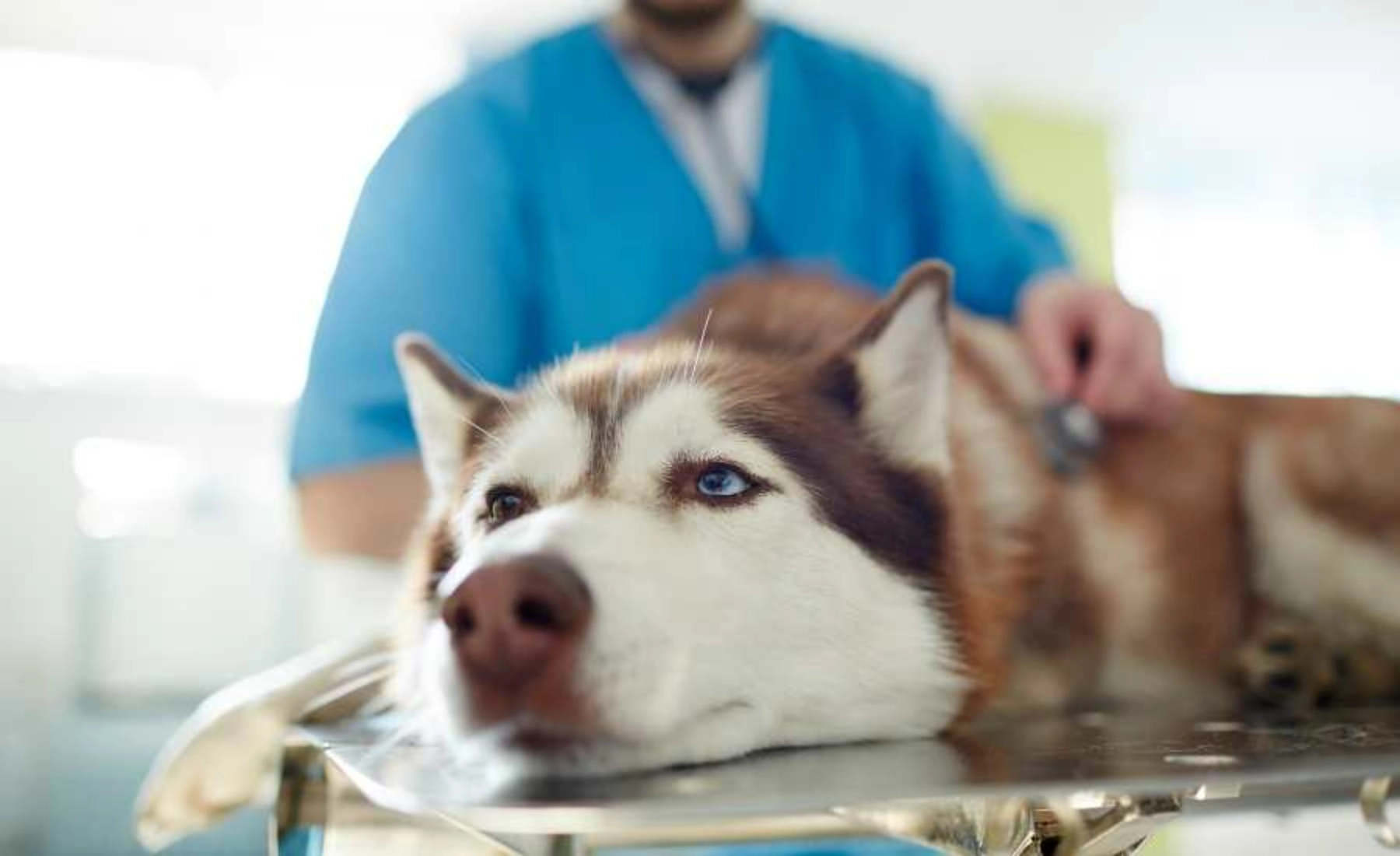
Spotting Pain in Senior Pets: Singapore Vet Advice
Ageing pets often change gradually. A dog may take longer to rise, while a cat may stop jumping onto a favourite shelf. Some owners assume these changes are simply part of growing older, but reduced activity, altered behaviour, and difficulty moving may also be signs of pain.
Pain is not always accompanied by crying, limping, or an obvious injury. Senior animals may adjust how they walk, sleep, eat, and interact without drawing attention to the underlying discomfort.
Pain Often Appears as a Change From Normal
Every senior pet has its own habits. One dog may have always moved slowly, while another usually runs towards the door at the sound of a lead. One cat may prefer sleeping alone, while another regularly seeks attention.
Owners may notice that a previously active dog now hesitates before walking, or that a sociable cat has started hiding. These changes can have several possible causes, including pain, illness, sensory decline, or cognitive changes.
Arranging an assessment at a veterinary clinic in Singapore gives the vet an opportunity to compare these observations with the pet’s physical condition, medical history, and age-related needs.
Use Daily Activities as a Pain Checklist
Pain may become easier to recognise when owners review ordinary activities rather than waiting for a dramatic symptom.
Getting Up After Resting
Watch how the pet rises after sleeping or lying down for an extended period.
Possible changes include:
- Taking several attempts to stand
- Shifting weight away from one leg
- Stretching for longer than usual
- Remaining stiff during the first few steps
- Needing assistance to rise
- Slipping while trying to stand
Stiffness that improves after movement can still be clinically relevant. Record how often it occurs and whether it is becoming more noticeable.
Walking Around the Home
Observe the pet on familiar surfaces.
Signs that may suggest discomfort include:
- Shortened steps
- A slower walking pace
- Limping
- Dragging or scuffing the paws
- Reluctance to turn
- Walking with a hunched back
- Keeping the head or neck in an unusual position
- Avoiding smooth floors
Videos taken at home can be useful because some animals move differently in an unfamiliar clinic environment.
Climbing, Jumping, and Using Stairs
A senior pet may adapt its routine before owners recognise that movement has become uncomfortable.
Examples include:
- Waiting at the bottom of the stairs
- Refusing to jump into the car
- Missing a previously easy jump
- Using furniture as an intermediate step
- Hesitating before entering the litter tray
- Avoiding raised beds or sleeping areas
- Taking longer to climb onto a sofa
Cats, in particular, may simply stop visiting elevated areas rather than showing an obvious limp.
Eating and Drinking
Pain affecting the teeth, mouth, neck, back, or abdomen may influence how a pet approaches food and water.
Monitor for:
- Dropping food
- Chewing on one side
- Moving away from hard food
- Taking longer to finish meals
- Reduced appetite
- Difficulty lowering the head to a bowl
- Pawing at the mouth
- Drooling
- Vocalising when eating
A reduced appetite can have many causes and should not automatically be attributed to pain or ageing.
Sleeping and Settling
Pain can change where, when, and how a pet rests.
Owners may notice:
- Frequently changing position
- Pacing before lying down
- Difficulty becoming comfortable
- Sleeping more during the day
- Restlessness at night
- Avoiding a familiar bed
- Choosing cooler or firmer surfaces
- Waking when a particular area is touched
A pet that sleeps more may be resting because movement has become uncomfortable, but tiredness may also be associated with an underlying medical condition.
Grooming and Coat Condition
Cats and dogs may groom less when bending or reaching has become painful. Some pets may instead lick one uncomfortable area repeatedly.
Look for:
- Matted or untidy fur
- Reduced self-grooming
- Excessive licking over one joint
- Saliva staining
- Hair loss
- Difficulty reaching the lower back
- Irritation caused by repeated licking
- Reduced tolerance of brushing
A change in grooming habits may also relate to skin disease, stress, or neurological problems.
Toileting
Joint, spinal, or abdominal discomfort may affect toileting posture and access.
Possible signs include:
- Difficulty squatting
- Taking longer to pass urine or faeces
- Toileting beside the litter tray
- Avoiding a tray with high sides
- Straining
- Crying during toileting
- Accidents indoors
- Difficulty reaching the usual toilet area
Straining without passing urine, particularly in a male cat, requires urgent veterinary attention.
Interaction and Temperament
Pain can influence how a pet responds to people and other animals.
Changes may include:
- Hiding
- Avoiding touch
- Growling when lifted
- Becoming unusually clingy
- Losing interest in play
- Appearing irritable
- Moving away from other pets
- Reacting when a certain area is touched
- Reduced interest in walks or family activity
A change in temperament does not mean a senior pet has become difficult. It may be communicating discomfort, fear, or reduced ability to cope with handling.
Common Sources of Pain in Senior Pets
Pain is a clinical sign rather than a diagnosis. Identifying its source is important because treatment varies according to the underlying condition.
Joint and Musculoskeletal Conditions
Osteoarthritis and other degenerative joint conditions can cause stiffness, reduced mobility, and reluctance to exercise. Previous injuries, ligament disease, and hip or elbow disorders may also become more noticeable with age.
Dental and Oral Disease
Inflamed gums, infected teeth, fractured teeth, and other oral conditions may cause discomfort during eating or when the face is touched.
Spinal or Nerve-Related Conditions
Disc disease, spinal degeneration, nerve compression, and other neurological conditions may cause pain, weakness, altered walking, or loss of coordination.
Internal Medical Conditions
Abdominal, urinary, gastrointestinal, and organ-related conditions may cause discomfort without affecting a visible joint or limb.
Cancer
Some tumours can affect bones, organs, nerves, or surrounding tissues. A new lump is not necessarily painful or cancerous, but changes in size, texture, or sensitivity should be examined.
Eye and Ear Conditions
Inflammation, infection, pressure changes, or injuries involving the eyes or ears may cause pain, head shaking, facial sensitivity, or behavioural changes.
What to Record Before the Vet Appointment
Details from the home environment can support the veterinary assessment.
Record:
- When the change was first noticed
- Whether it developed suddenly or gradually
- Which activities are affected
- Whether the signs are worse at a particular time
- Any recent falls or injuries
- Changes in appetite or water intake
- Toileting changes
- Current medication and supplements
- Whether rest or activity alters the signs
Short videos may show:
- Rising after sleep
- Walking from the front, side, and behind
- Using stairs
- Entering a litter tray
- Jumping onto a familiar surface
- Eating
- Interacting with family members
Do not force the pet to repeat an activity that appears painful solely to obtain a video.
How a Vet May Assess Senior-Pet Pain
The consultation will usually combine the owner’s observations with a physical examination.
The vet may assess:
- Posture and walking
- Joint movement
- Muscle condition
- Spinal comfort
- Paw placement
- Dental and oral health
- Abdominal comfort
- Heart and breathing
- Body weight
- Skin and coat
- Neurological responses
Pain assessment differs between dogs and cats and may also vary according to whether the problem is acute or chronic.
When the source is not clear, additional investigation may be discussed.
Tests That May Be Recommended
Not every senior pet needs the same tests. Recommendations depend on the symptoms, physical findings, and medical history.
Blood and Urine Tests
Blood and organ function tests may help investigate underlying illness, review organ function or assess a senior pet before certain medications or anaesthesia.
X-Rays
Digital X-rays for pets may be used to examine bones, joints, the spine, chest or abdomen, depending on the suspected condition.
Ultrasound
Ultrasound may be considered when the vet needs to examine certain abdominal organs, fluid accumulation, or other soft-tissue changes.
CT Imaging
CT scanning may provide more detailed information for selected spinal, orthopaedic, dental, neurological, or tumour-related conditions.
The vet should explain what each test is intended to investigate and how the result may affect the care plan.
Pain Management Is Individualised
There is no single treatment plan that suits every senior dog or cat. Management depends on the source of pain, other medical conditions, and how the animal responds.
A plan may involve several approaches.
Veterinary Medication
Prescription medication may be considered for inflammatory, musculoskeletal, nerve-related or other forms of pain.
The choice and dose depend on the individual patient. Blood tests or follow-up monitoring may be advised for some medications.
Do not give human painkillers or use medication prescribed for another pet. Common human medicines can be harmful to dogs and cats.
Weight Management
Excess weight can place additional strain on painful joints. Where relevant, the veterinary team may discuss portions, food selection, and an appropriate rate of weight change.
Adjusted Exercise
Complete inactivity is not always suitable for chronic joint discomfort. Some pets may benefit from shorter, controlled, and lower-impact activity, but the plan should reflect the diagnosis and current mobility.
Rehabilitation
Depending on the condition, rehabilitation may include guided exercises, controlled strengthening, hydrotherapy, or other physical approaches.
Environmental Changes
Simple changes at home may make daily movement easier:
- Place non-slip mats on smooth floors
- Use ramps or low steps
- Provide a supportive bed
- Raise food or water bowls when advised
- Use a litter tray with a lower entrance
- Keep essentials on one level
- Block unsafe stairs
- Trim nails regularly
- Keep frequently used paths free of clutter
Changes should support the pet without encouraging movements that the vet has restricted.
How Often Should Senior Pets Be Reviewed?
The appropriate interval depends on the species, age, health status, medication, and existing conditions.
Senior-pet consultations may involve:
- Weight and muscle monitoring
- Mobility assessment
- Dental examination
- Medication review
- Blood or urine testing
- Nutrition discussion
- Behavioural review
- Quality-of-life assessment
Owners should not wait for the next routine appointment when the pet develops a new or rapidly worsening symptom.
Recognised senior-care guidance commonly recommends more frequent veterinary assessment for older pets than for healthy younger adults, often twice yearly or according to the individual animal’s condition.
When Pain May Be an Emergency
While chronic pain generally develops over time, sudden severe pain or rapid deterioration requires urgent veterinary assessment.
Contact an emergency clinic if a senior pet develops:
- Difficulty breathing
- Collapse or loss of consciousness
- Sudden inability to stand
- Paralysis or dragging of the limbs
- Severe or uncontrolled bleeding
- Repeated vomiting with weakness
- A swollen or very painful abdomen
- Seizures
- Major trauma
- Inability to pass urine
- Pale, grey, or blue gums
- Extreme distress or continuous vocalisation
A 24-hour emergency veterinary service may be appropriate when the pet cannot safely wait for a scheduled appointment.
Frequently Asked Questions
Is slowing down always a normal part of ageing?
No. Ageing may affect stamina and movement, but a noticeable change can also reflect pain, illness, sensory decline, or another condition. A veterinary assessment can help identify the possible cause.
Do pets always cry when they are in pain?
No. Some pets become quieter, hide, sleep differently, or avoid activities without vocalising.
How can I tell whether my senior cat has joint pain?
Possible signs include reduced jumping, difficulty entering the litter tray, less grooming, irritability, and avoiding elevated areas. These signs can also have other causes.
Can I give my senior pet human pain medication?
No. Do not give human medication unless a veterinarian has specifically directed its use for that animal.
Are videos useful for a veterinary appointment?
Yes. Videos of normal activities such as walking, standing, jumping or using stairs can help show changes that may not appear during the clinic examination.
Does every senior pet with pain require an X-ray?
No. The vet will decide whether imaging or other tests are appropriate based on the history and examination findings.
Pain in senior pets is not always obvious. Changes in movement, sleeping, grooming, appetite, toileting, and social behaviour may provide the first indication that a dog or cat is uncomfortable.
Tracking these changes and discussing them with a vet can help distinguish possible pain from other age-related medical or behavioural concerns. Owners should also seek earlier care when symptoms appear suddenly or interfere with breathing, movement, toileting, or responsiveness.