How Do Weight Loss Injections Work? Benefits, Side Effects & Expected Results
If you’ve ever felt frustrated after trying diet after diet without seeing lasting results, you’re certainly not alone. Many people work hard to lose weight by eating healthier, exercising regularly, and making lifestyle changes, only to find that the scale barely moves or the weight quickly returns.
The reality is that weight loss isn’t always as simple as “eat less and move more.” Hormones, metabolism, genetics, stress, age, and underlying health conditions can all influence how our bodies gain and lose weight. For some individuals, these factors create challenges that make sustainable weight loss much more difficult.
This is one reason why weight loss injections have become increasingly popular in recent years. These prescription medications are helping many people manage their appetite, reduce cravings, and achieve meaningful weight loss when combined with healthy lifestyle habits.
But how exactly do weight loss injections work, and are they right for everyone? Let’s explore the science behind these treatments, their benefits, potential side effects, and what results you can realistically expect.
What Are Weight Loss Injections?
Weight loss injections (Weight Loss Injections in Allen, TX | Body By Chic) are prescription medications designed to support weight reduction by helping regulate hunger and improve the body’s natural metabolic processes.
Many of today’s most effective weight loss medications belong to a group known as GLP-1 receptor agonists. These medications mimic hormones that your body naturally produces after eating. Their job is to signal fullness, regulate blood sugar, and help control appetite.
Unlike fad diets or over-the-counter supplements that promise quick results, these medications are intended to be part of a comprehensive approach that includes healthy eating, physical activity, and long-term lifestyle changes.
Why Losing Weight Can Be So Difficult
Many people blame themselves when they struggle to lose weight, but the truth is that weight management is often more complex than it appears.
When you reduce calories, your body may respond by increasing hunger signals and slowing metabolism in an effort to conserve energy. This natural survival mechanism can make long-term weight loss challenging, even for highly motivated individuals.
Stress, lack of sleep, hormonal imbalances, and certain medical conditions can further complicate the process. That’s why some people find themselves caught in a frustrating cycle of losing weight, regaining it, and starting over again.
Weight loss injections help address some of these biological barriers by regulating appetite and helping people feel satisfied with less food. For many individuals, this support can make healthy eating feel more achievable and sustainable.
How Do Weight Loss Injections Work?
Weight loss injections support weight reduction through several mechanisms.
They Help Reduce Appetite
One of the primary ways these medications work is by reducing hunger signals in the brain.
Many people report feeling less hungry throughout the day and experiencing fewer cravings for snacks or high-calorie foods. This can make it easier to stick to a healthy eating plan without feeling constantly deprived.
They Help You Feel Full Longer
Weight loss injections also slow the rate at which food leaves the stomach. As a result, you may feel satisfied for longer periods after eating.
When you stay full longer, you’re naturally less likely to overeat or snack between meals.
They Support Blood Sugar Regulation
Some weight loss injections were originally developed to help manage type 2 diabetes. They improve the body’s ability to regulate blood sugar and respond to insulin more effectively.
Stable blood sugar levels can help reduce energy crashes and cravings, making healthy food choices easier to maintain.
They Support Long-Term Weight Management
Perhaps most importantly, these medications can help create the consistency needed for long-term success. By reducing hunger and improving appetite control, they allow individuals to focus on building healthier habits that support lasting weight loss.
Common Types of Weight Loss Injections
Semaglutide
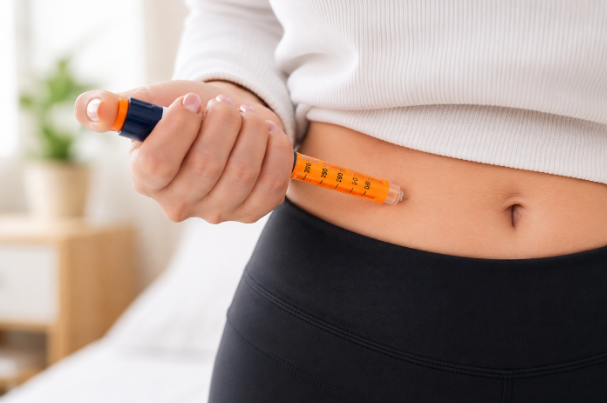
Semaglutide is one of the most widely recognized weight loss medications available today. It is administered once weekly and works by helping regulate appetite and increase feelings of fullness.
Many individuals using Semaglutide experience reduced hunger, improved portion control, and meaningful weight loss when combined with healthy lifestyle habits.
Tirzepatide
Tirzepatide is another once-weekly injectable medication that works on both GLP-1 and GIP hormone pathways.
This dual-action approach helps improve appetite regulation, enhance satiety, and support significant weight reduction in many patients.
Who May Benefit from Weight Loss Injections?
Weight loss injections may be appropriate for adults who:
- Have a Body Mass Index (BMI) of 30 or higher
- Have a BMI of 27 or higher with weight-related health conditions
- Have struggled to lose weight through diet and exercise alone
- Need additional medical support to achieve long-term weight loss goals
A healthcare provider can determine whether these treatments are appropriate based on individual health history and weight management needs.
Benefits of Weight Loss Injections
Meaningful Weight Loss
One of the biggest benefits is the potential for significant weight reduction. Clinical studies have shown that some individuals may lose a substantial percentage of their body weight when treatment is combined with healthy lifestyle changes.
Better Appetite Control
Many patients notice:
- Less hunger throughout the day
- Fewer cravings
- Improved portion control
- Reduced emotional eating
These changes can make healthy eating feel much more manageable.
Improved Overall Health
Weight loss often leads to improvements in:
- Blood pressure
- Cholesterol levels
- Blood sugar control
- Insulin sensitivity
These benefits may help reduce the risk of obesity-related conditions and improve overall quality of life.
Increased Energy and Confidence
As weight decreases, many individuals report:
- Improved mobility
- Better stamina
- Increased confidence
- Greater motivation to maintain healthy habits
Potential Side Effects
Like all medications, weight loss injections may cause side effects.
The most commonly reported include:
- Nausea
- Vomiting
- Diarrhea
- Constipation
- Stomach discomfort
- Bloating
These symptoms are often mild and tend to improve as the body adjusts to treatment.
Healthcare providers typically start with lower doses and gradually increase them to help minimize side effects.
What Results Can You Expect?
Every person’s weight loss journey is unique, so results can vary.
Factors that influence outcomes include:
- Starting weight
- Medication type
- Lifestyle habits
- Physical activity levels
- Treatment consistency
Many individuals notice appetite changes within the first few weeks. Over time, these changes can lead to gradual and sustainable weight loss.
Some studies have shown that GLP-1 medications may help individuals lose around 15% of their body weight when combined with healthy eating and regular exercise. However, individual results will always vary.
It’s important to remember that these medications are not designed to produce overnight transformations. Instead, they provide support that can help individuals stay consistent with healthier behaviors over the long term.
Why Lifestyle Changes Still Matter
One of the biggest misconceptions about weight loss injections is that they do all the work.
While these medications can be incredibly helpful, they work best when combined with healthy lifestyle habits.
A balanced diet rich in lean proteins, vegetables, fruits, and whole grains remains essential. Regular exercise also plays a major role in preserving muscle mass, supporting metabolism, and improving overall health.
Experts consistently emphasize that weight loss injections are not a magic solution. They are tools that can make healthy habits easier to maintain.
The Importance of Long-Term Weight Management
Losing weight is only part of the journey. Maintaining those results is often the greater challenge.
This is where a structured medical weight management (Medical Weight Management Allen TX | Body By Chic) approach can make a significant difference. Long-term success often involves ongoing support, personalized nutrition guidance, behavioral coaching, physical activity recommendations, and medical supervision when appropriate.
Rather than focusing solely on rapid weight loss, the goal should be building sustainable habits that support lifelong health and wellness.
Final Thoughts
For many people, the hardest part of losing weight isn’t getting started—it’s staying consistent when progress slows or motivation fades.
Weight loss injections can provide valuable support by helping control appetite, reduce cravings, and encourage healthier eating habits. For individuals who have struggled with traditional weight loss methods, these treatments may offer a helpful path forward.
However, the most successful weight loss stories rarely come from medication alone. They come from combining medical support with healthy food choices, regular physical activity, quality sleep, and long-term lifestyle changes.
At the end of the day, weight loss isn’t simply about reaching a certain number on the scale. It’s about improving your health, increasing your energy, and creating habits that help you feel your best for years to come.