What Is Hip Replacement Surgery? A Guide for Singapore Patients
Persistent hip pain can affect many aspects of daily life, including walking, climbing stairs, standing for extended periods, and even sleeping comfortably. For some individuals, hip joint damage caused by arthritis, injury, or long-term wear may gradually worsen over time despite medication, physiotherapy, or lifestyle adjustments.
When non-surgical treatments no longer provide sufficient symptom relief, hip replacement surgery may be discussed as a possible treatment option.
Understanding how hip replacement surgery works may help patients feel more informed when discussing treatment decisions with an orthopaedic specialist.
Understanding the Hip Joint
The hip is a ball-and-socket joint that supports body movement and weight-bearing activities. The rounded top of the thigh bone, known as the femoral head, fits into a socket within the pelvis called the acetabulum.
The surfaces of these bones are covered with cartilage, which helps the joint move smoothly and reduces friction during movement.
When cartilage becomes damaged or worn down, the bones may rub against each other. This can lead to:
- Hip pain
- Stiffness
- Swelling
- Reduced mobility
- Difficulty with daily activities
Over time, symptoms may gradually become more severe and affect quality of life.
What Is Hip Replacement Surgery?
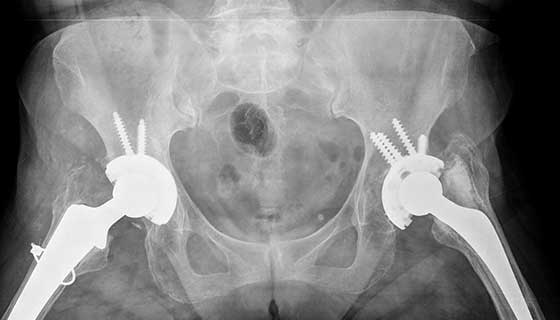
Hip replacement surgery, also known as hip arthroplasty, is a procedure in which damaged sections of the hip joint are removed and replaced with artificial components known as implants.
The aims of surgery generally include:
- Relieving pain
- Improving movement
- Restoring mobility
- Supporting daily function
The artificial hip joint usually consists of:
- A stem inserted into the thigh bone
- A ball component replacing the femoral head
- A socket component fitted into the pelvis
- A liner that allows smooth movement within the joint
The type of implant used depends on the patient’s condition, bone quality, and surgical assessment.
Who May Need Hip Replacement Surgery?
Common Conditions Affecting the Hip
Hip replacement surgery may be considered for individuals with conditions such as:
- Osteoarthritis
- Rheumatoid arthritis
- Hip fractures
- Avascular necrosis
- Degenerative joint disease
These conditions may gradually damage the hip joint and affect movement and mobility.
Symptoms That May Lead to Surgery
Patients who may be evaluated for hip replacement surgery often experience:
- Persistent hip or groin pain
- Difficulty walking
- Joint stiffness
- Reduced range of movement
- Pain affecting sleep
- Difficulty performing daily activities
Surgery is generally considered after non-surgical approaches such as physiotherapy, medication, walking aids, or injections have not provided adequate improvement.
Types of Hip Replacement Surgery
Total Hip Replacement
Total hip replacement involves replacing both the ball and socket portions of the hip joint with artificial components.
This is one of the more commonly performed forms of hip replacement surgery for arthritis affecting the entire joint.
Partial Hip Replacement
Partial hip replacement involves replacing only the femoral head while preserving the natural socket.
This procedure may sometimes be considered for selected hip fractures, particularly in older adults.
Minimally Invasive Surgical Approaches
Some orthopaedic surgeons may use minimally invasive surgical approaches involving smaller incisions in selected cases.
Suitability depends on factors such as:
- Body structure
- Severity of joint damage
- Bone quality
- Overall health condition
The surgical approach is determined after clinical assessment and imaging studies.
Preparing for Hip Replacement Surgery
Medical Assessment and Imaging
Before surgery, patients undergo medical evaluation to assess their suitability for the procedure.
This may include:
- Physical examination
- X-rays
- CT or MRI scans in selected cases
- Blood tests
- Heart and medical evaluations where necessary
These assessments help guide surgical planning and implant selection.
Discussing Anaesthesia and Medications
Patients also discuss anaesthesia options with the medical team.
The procedure is commonly performed under:
- General anaesthesia
- Spinal anaesthesia
Medication adjustments may also be required before surgery, especially for blood-thinning medication or chronic medical conditions.
Preparing the Home Environment
Patients are often advised to prepare their home before surgery to support safer recovery afterwards.
This may include:
- Arranging walking aids
- Installing grab bars
- Removing loose rugs or obstacles
- Preparing seating with adequate support
Planning ahead may help reduce strain during the early recovery period.
Step-by-Step Overview of Hip Replacement Surgery
Recovery from hip replacement surgery is gradual and varies from person to person. However, patients can generally expect the following:
Step 1 – Administration of Anaesthesia
On the day of surgery, the patient is brought to the operating theatre and given anaesthesia.
Throughout the procedure, the medical team monitors:
- Heart rate
- Blood pressure
- Oxygen levels
- Overall condition
Once the patient is prepared, the hip area is cleaned and sterilised.
Step 2 – Surgical Incision
The orthopaedic surgeon makes an incision near the hip joint to access the damaged structures.
The location and size of the incision may vary depending on:
- The surgical approach
- The patient’s anatomy
- The type of hip replacement being performed
The surrounding tissues are carefully moved aside to expose the joint.
Step 3 – Removal of Damaged Bone and Cartilage
The damaged femoral head is removed, and the hip socket is prepared for placement of the artificial components.
Specialised instruments are used to shape the bone surfaces so the implants can fit securely.
Step 4 – Placement of Artificial Components
Artificial implant components are inserted into the hip joint.
These implants are commonly made from:
- Metal alloys
- Ceramic materials
- Medical-grade plastic
The surgeon checks:
- Joint stability
- Alignment
- Leg movement
- Range of motion
Depending on the surgical plan, implants may be fixed using bone cement or press-fit techniques.
Step 5 – Wound Closure
Once the implants are secured and joint movement is assessed, the incision is closed using sutures or staples.
A sterile dressing is applied before the patient is transferred to the recovery area.
What Happens After Surgery?
Recovery in Hospital
After surgery, patients are monitored for:
- Pain control
- Swelling
- Blood pressure
- Early complications
Pain management medication and blood-thinning medication may be prescribed where appropriate.
Patients are usually encouraged to begin gentle movement soon after surgery to support circulation and recovery.
Recovery in Hospital
Physiotherapy is an important part of recovery after hip replacement surgery.
Patients are commonly assisted with:
- Standing
- Walking
- Balance exercises
- Joint movement exercises
Walking aids such as:
- Walkers
- Crutches
- Walking sticks
may be required during the early stages of recovery.
Recovery Timeline After Hip Replacement Surgery
Recovery timelines vary between individuals depending on age, overall health, rehabilitation progress, and the type of surgery performed.
During the first few weeks, patients gradually increase activity levels while continuing physiotherapy exercises.
Some individuals may resume routine daily activities within several weeks, while full recovery may continue for several months.
Follow-up appointments help monitor:
● Wound healing
● Implant positioning
● Joint movement
● Rehabilitation progress
Possible Risks and Complications
As with all surgical procedures, hip replacement surgery carries potential risks and complications.
Possible complications may include:
- Infection
- Blood clots
- Hip dislocation
- Implant loosening
- Nerve injury
- Differences in leg length
Patients should discuss the potential risks and expected outcomes with their orthopaedic surgeon before proceeding with surgery.
Lifestyle Habits That May Support Recovery
Recovery after hip replacement surgery may be supported by:
- Following physiotherapy advice
- Maintaining a healthy body weight
- Participating in low-impact exercise
- Using walking aids safely
- Attending scheduled follow-up appointments
Walking and swimming are examples of activities that may gradually be introduced during rehabilitation, depending on medical advice.
Hip replacement surgery is a recognised treatment option for individuals experiencing significant hip joint damage that affects mobility and daily life.
Understanding the procedure, recovery process, and rehabilitation requirements may help patients feel more prepared when discussing treatment options with an orthopaedic specialist. Treatment recommendations vary according to the individual’s symptoms, imaging findings, overall health, and mobility goals.